Four Parties Join Hands to Promote Social Housing Development
Developing 1 million social housing units requires comprehensive collaboration among the state, banks, developers, and the people – this is the viewpoint emphasized by expert Cấn Văn Lực at the seminar "Social Housing: From Dream to Reality" held on November 17. Developing social housing is a necessary measure to reduce the housing shortage for low-income earners and industrial park workers, helping to stabilize lives and thereby promote sustainable socio-economic development.
According to expert Cấn Văn Lực, chief economist at BIDV, the proposal to advance 1 million social housing units has encountered numerous challenges, ranging from land resource constraints, complex administrative procedures, to inconsistent policy mechanisms and high interest rates. Local governments have not yet actively reserved sufficient land for social housing, while lengthy administrative procedures hinder project progress. Therefore, the collaboration model among the four parties – the state, banks, developers, and the people – is seen as a key factor in removing bottlenecks and accelerating the pace of social housing construction nationwide.
1. The State – Leadership Role
The state plays a leading role in orienting and driving the development of social housing. It is essential for localities to actively review and re-plan land to ensure sufficient area is reserved for social housing development, especially in cities with high demand such as Hanoi and Ho Chi Minh City. Ensuring land resources is not merely a simple allocation but requires consistency in planning to avoid fragmentation and lack of unity.
In addition to land planning, the state should research and promulgate preferential policies early to reduce the burden on developers. These incentives may include land tax reductions, subsidies for building material prices, and financial support, aimed at encouraging investment in the social housing sector. Establishing a transparent legal framework, reducing unnecessary administrative procedures, and accelerating project approval processes will be key to creating a favorable environment for developers.
2. Banks – Preferential Loan Support
High loan interest rates are one of the biggest obstacles for low-income people to buy social housing. Lê Hoàng Châu, Chairman of the Ho Chi Minh City Real Estate Association, pointed out that the current loan interest rate is as high as 6.6%, exceeding the affordability of most low-income people. This makes it difficult for residents to access loan funds, weakening their ability to realize their dream of homeownership. To solve this problem, banks need to cooperate with management agencies to provide truly preferential loan programs for low-income people that match their affordability.
Providing loan programs with low interest rates and longer terms will reduce the financial pressure on homebuyers, thereby creating momentum for the healthy development of the real estate market. In addition, banks need to remain flexible when reviewing loan conditions and documents to ensure that those who truly need it can access funds. This not only helps increase homeownership rates but also reduces future repayment difficulties.
3. Developers – Reshaping Quality Standards
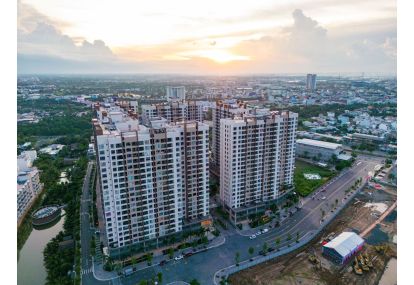
Developers need to shift their perspective from "just getting it done" to "doing it best" to improve construction quality and residents' quality of life. Master Trần Hoàng Nam emphasized that most current social housing projects lack amenities, have incomplete infrastructure, and lack community services. Social housing is not just a place to live; it also needs to guarantee quality of life, including basic infrastructure such as transportation, education, and healthcare, as well as public facilities such as parks, play areas, and commercial services.
To improve the quality of social housing, developers need to have a long-term vision and invest in a comprehensive ecosystem, including social infrastructure and a green, sustainable living environment. For example, the Hoàng Quân Group has begun to focus on improving the quality of social housing projects, aiming to achieve quality comparable to commercial housing. Only when these factors are guaranteed can social housing truly become a place worth living in, without being left vacant.
4. People – Active Saving and Financial Planning
Homebuyers (the people) also play an important role in realizing their dream of settling down. Dr. Cấn Văn Lực emphasized that people need to actively save money and have a clear plan for buying a home. Financial planning is not just about saving money; it also involves understanding various loan support programs and preferential policies from the state and banks, so as to seize the opportunity to buy a home under the most favorable conditions.
People should also proactively improve their personal financial knowledge, assess their affordability, and prepare the necessary documents to access preferential loans. Through active saving and concrete planning, people can ensure financial stability when owning a home and avoid difficulties during repayment. Having a clear financial plan also helps people avoid unnecessary risks during the homebuying process and protect their legitimate rights and interests.
Conclusion
Developing 1 million social housing units is not just an economic goal but also a social mission that requires cooperation among the state, banks, developers, and the people. Challenges such as land resources, administrative procedures, policy mechanisms, and interest rates must be addressed comprehensively and effectively. Close collaboration among these four parties will be key to realizing the dream of a sustainable social housing system, providing low-income people with secure housing and promoting the stable development of society.
In addition, raising society's awareness of the role of social housing and promoting consensus on supportive policies are also important factors in ensuring the success of these projects. The joint efforts of all relevant parties not only help solve housing problems but also contribute to building a fair, stable, and civilized society. Policymakers, banks, developers, and the people need to work together toward a common goal: a future where everyone has the opportunity to own a home, laying the foundation for a sustainable and comprehensively developed society.
#FTT Real Estate Co., Ltd.
(#Real Estate Consulting / #Leasing and Property Management and Sales / #Furniture and Decoration)
LINE official account @ymq0321f|Zalo +886 956 918 888|WeChat
┃Youtube: FTT REAL ESTATE
┃Website : www.fttland.com