"Uneven Recovery of Vietnam's Real Estate Market in 2024: Challenges and Prospects"
Vietnam's real estate market in 2024 is showing signs of recovery, but the extent of this recovery is uneven across different segments. Industrial real estate and the apartment market in major cities are experiencing strong growth, while other segments such as land, villas, townhouses, and resort properties remain in a slump, with no clear signs of recovery yet.
Industrial real estate continues to maintain its leading position in the market, thanks to growing demand, particularly in provinces with significant foreign direct investment (FDI) such as Bac Ninh, Bac Giang, and Thai Nguyen. These areas have become the main drivers of industrial real estate growth, benefiting from well-developed transportation connections, a secure legal framework, and especially the attraction of high-tech enterprises such as electronics, semiconductors, artificial intelligence, and renewable energy. Not only has demand for land leasing increased, but these regions also reflect a trend of many large corporations expanding production scale, enhancing connectivity and goods flow through substantial investment in logistics infrastructure. The combination of infrastructure investment and improvements in the legal and policy framework has helped the industrial real estate segment attract more international investors.
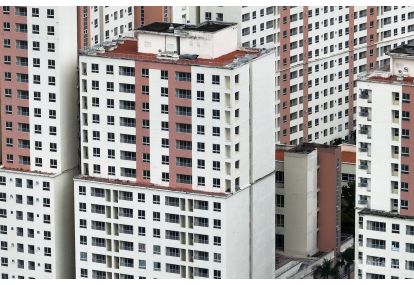
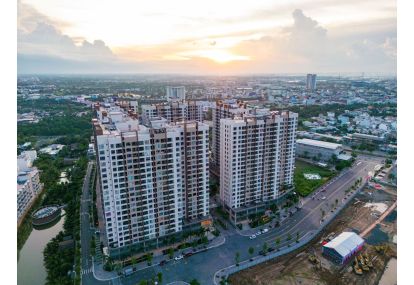
The apartment market is also showing impressive growth, particularly in the capital city of Hanoi. Apartment prices continue to rise, especially in the mid-to-high-end segments, while affordable housing has almost disappeared from the market. Experts point out that the main reason is that new apartment supply is concentrated mainly in the mid-to-high-end segments, causing prices to keep climbing. In Ho Chi Minh City, the situation is similar, with most new apartment projects belonging to the high-end segment, making it difficult for middle-income first-time homebuyers to afford. This has created a severe imbalance between demand and supply for low-cost housing, despite actual demand remaining strong.
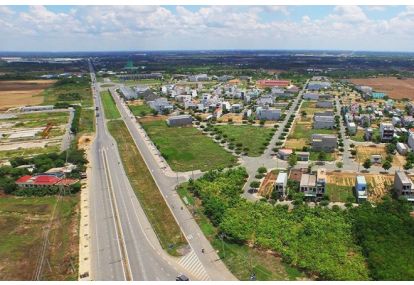
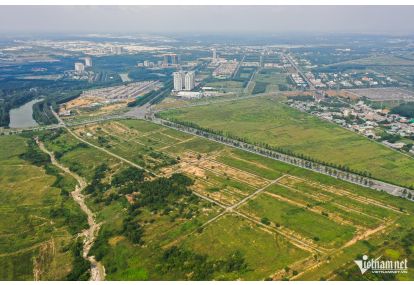
In contrast to the active industrial real estate and apartment markets, many other segments have yet to show clear signs of recovery. Land, villas, and resort properties continue to languish in a downturn, with some areas even experiencing a loss of liquidity. Land transaction volumes have declined by about 20% compared to the same period last year, while villa prices in Hanoi and Ho Chi Minh City have also dropped significantly. In suburban areas, land transactions are almost nonexistent, mainly due to declining investor confidence, compounded by unresolved legal issues that further make this market difficult. Some regions, such as the Southwest and northern mountainous provinces, continue to see sharp declines in transaction volumes, indicating that recovery in this segment remains far off.
Resort real estate is one of the segments currently facing the most difficulties, with liquidity continuing to decline and investor confidence hitting historic lows. Although tourism has rebounded somewhat, resort real estate has been unable to leverage this advantage for recovery. Buyback and leasing commitment policies have not achieved the expected results. Currently, most resort projects face oversupply, while demand from customers is insufficient to absorb this supply. Especially high investment costs and competition from other property types have greatly reduced the attractiveness of this segment. Additionally, the lack of targeted policy support from the government is one of the reasons developers face difficulties in restructuring products and finding new customers.
From late 2024 to early 2025, Vietnam's real estate market is expected to enter a consolidation phase. The apartment, detached house, and townhouse segments are expected to become highlights attracting investor attention. Stability in financial and legal factors is prompting homebuyers to lean more toward products with practical value that meet genuine living needs. Apartment projects with prime locations, complete amenities, and reasonable prices will continue to be the center of the market. Meanwhile, detached houses and townhouses in city centers and near-suburban areas will also attract investor interest, as these products offer high appreciation potential and good rental prospects.
In contrast, segments such as land and villas are not expected to recover until the second half of 2025, when the market gradually regains growth momentum, giving these segments a chance to attract investors again. Areas with potential for infrastructure and transportation development and new urban zones will be hotspots for investment. The recovery of these segments largely depends on the macroeconomic situation and the government's urban development policies. Some experts believe that once legal issues are resolved and investor confidence is restored, the land market will return to positive liquidity levels, especially in suburban areas with development potential.
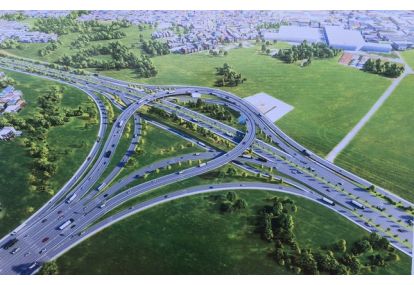
It is expected that by 2026, Vietnam's real estate market will gradually enter a stable track, with various segments achieving widespread recovery in both liquidity and value. The detached house and townhouse segments are expected to continue to be the highlights of the market due to their high potential for value appreciation, while the apartment market will gradually stabilize, mainly meeting the real living needs of residents. The government's financial and tax support policies will play an important role in promoting the sustainable development of the market. In addition, the expansion of transportation infrastructure and the improvement of public services will also help enhance real estate values, especially in suburban and satellite city areas.
Overall, the recovery of Vietnam's real estate market from 2024 to 2026 will occur at different speeds across various segments. While industrial real estate and the apartment market show multiple positive signals, other segments such as land, villas, and resort properties will need more time and supportive measures from the government to fully recover. Macroeconomic improvements, a strengthened legal framework, and the consolidation of investor confidence will be the main factors helping Vietnam's real estate market move toward a more stable and sustainable development phase.
#FTT Real Estate Co., Ltd.
(#Real Estate Consulting / #Leasing and Property Management and Sales / #Furniture and Decoration)
LINE official account @ymq0321f|Zalo +886 956 918 888|WeChat
┃Youtube: FTT REAL ESTATE
┃Website : www.fttland.com