The disappearance of affordable apartments in the market: current situation and pressure on the dream of homeownership
In the third quarter of 2024, Vietnam's real estate (BĐS) market showed signs of recovery after a difficult cycle. However, this recovery was mainly concentrated in the high-end segment, causing affordable apartments to almost completely disappear. This has put immense pressure on residents with genuine housing needs but limited financial capacity. The significant imbalance in supply and demand is pushing low- and middle-income families into a more difficult situation, making it hard for them to realize the dream of owning their own home.
The lack of affordable apartments has led to a trend of moving to suburban areas, where land prices are relatively affordable. However, this move has also brought about issues such as infrastructure shortages, inadequate public facilities, and difficulty in accessing basic public services like schools, hospitals, and public transportation. Moving farther away to find suitable housing also means an increase in daily transportation costs and time burdens, which in turn directly affects the quality of life of workers.
Supply structure concentrated in the high-end segment
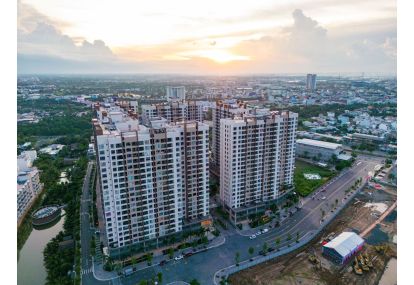
According to the report of the Vietnam Association of Realtors (VARS) in the third quarter of 2024, the residential real estate market shows clear signs of recovery, but this recovery is uneven. Most of the new supply belongs to the high-end and luxury segments, with average selling prices in Hanoi close to 60 million VND per square meter, while in Ho Chi Minh City it is 64 million VND. This has made affordable apartments almost disappear from the market, worsening the supply-demand imbalance.
New projects are mainly concentrated in the high-end market, which not only makes it difficult for young families and salaried workers with stable but limited finances, but also further exacerbates social division, so that only high-income groups can enjoy housing opportunities. Even though some high-end projects offer preferential policies and premium amenities, their prices still exceed the affordability of most residents. This situation has led to an increasingly divided real estate market, where low-income groups can only choose to rent or accept living in areas far from the city center.
Current challenges: finding a place to call home
Against the backdrop of continuously rising real estate prices, residents with housing needs are facing numerous difficulties. New projects in major cities such as Hanoi and Ho Chi Minh City are almost entirely concentrated in the high-end market, causing price levels to constantly reach new highs. This makes it nearly impossible for residents with limited financial capacity to access apartments that meet their living needs.
Furthermore, costs associated with homeownership, such as maintenance fees, management fees, and mortgage payments, are also rising significantly. The ever-increasing interest rates on real estate loans make it harder for middle-income earners to secure the financing needed to purchase a home, making the dream of homeownership more distant than ever.
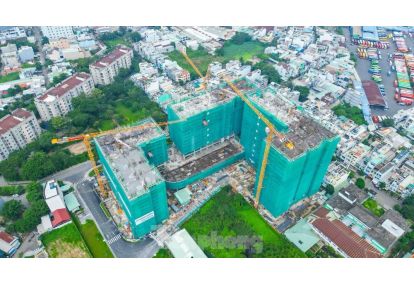
In particular, the government's insufficient support policies for social housing and affordable housing are a significant issue. Although some social housing projects have recently been advanced, this supply is far from sufficient to meet demand, exacerbating market pressure due to the supply shortage. This reality requires the government to adopt a more comprehensive approach to ensure that everyone has the opportunity to access housing.
Negative impacts of speculation and "market heating"
Ms. Pham Thi Mien, Vice President of the Vietnam Real Estate Brokers Association, pointed out that the market is showing signs of "artificial heating," particularly in land speculation and price-hiking activities. These behaviors have pushed apartment prices beyond their actual value, creating unnecessary pressure for those who genuinely need to buy a home. Many small investors participate in the market with the aim of "short-term speculation," further eroding market stability, making the real estate market volatile and lacking transparency.
Speculative activities not only cause unreasonable price increases but also reduce the accessibility of housing for residents with genuine needs. When real estate prices are pushed to excessively high levels, market liquidity decreases, leading to ever-increasing market instability. Speculators often use strategies to create a false sense of scarcity, making buyers feel compelled to compete for purchases, thereby making hasty housing decisions without adequate consideration.
Solutions and Future Directions
To address these issues, development policies should focus on affordable and mid-range housing to restore market balance. The government needs to intervene strongly, adjust speculative activities, and ensure market transparency. In particular, the development of social housing and affordable housing should be prioritized, by providing legal and financial support to developers and homebuyers, thus ensuring sustainable market development and social equity.
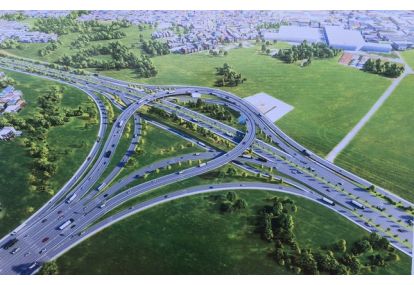
In addition, infrastructure in suburban areas needs to be upgraded to relieve pressure on the central areas. Improving transportation infrastructure, public facilities, and essential services will increase the attractiveness of these areas to homebuyers. At the same time, policies should be introduced to encourage enterprises to invest in affordable housing projects, thereby providing residents with more options and helping the market become more stable.
Conclusion
The lack of affordable apartments is causing significant inconvenience and pressure for residents with actual housing needs. To ensure the sustainable development of the real estate market, efforts must focus on providing supply that matches the financial capacity of the working class, while strictly controlling speculative activities and enhancing transaction transparency.
In the future, Vietnam's real estate market needs more comprehensive and systematic policies to meet the needs of various customer segments. Active participation from the government, enterprises, and relevant parties is key to balancing the market and promoting sustainable development. The ultimate goal is to ensure that everyone, regardless of financial status, has the right to housing. This is a fundamental factor in building a fair and stable society.
To achieve this goal, Vietnam's real estate market needs greater transformation in ensuring fairness across all groups. Supportive policies, controlling speculation, and investing in infrastructure development are key to achieving comprehensive and sustainable development, while also creating opportunities for everyone to realize their housing dreams.
#FTT Real Estate Co., Ltd.
(#Real Estate Consulting / #Leasing and Property Management and Sales / #Furniture and Decoration)
LINE official account @ymq0321f|Zalo +886 956 918 888|WeChat
┃Youtube: FTT REAL ESTATE
┃Website : www.fttland.com