Proposal to Expand Land for Affordable Housing: Careful Consideration Needed to Ensure Sustainable Development
Expanding the land scope for affordable housing development is an important measure to boost the real estate market, and it is also an effective way to address the current difficulties people face in purchasing homes, especially amid continuously rising housing prices. However, the implementation of this measure requires careful consideration to ensure its sustainability and alignment with the nation's development goals.
1. Current Situation and the Need to Expand Residential Land
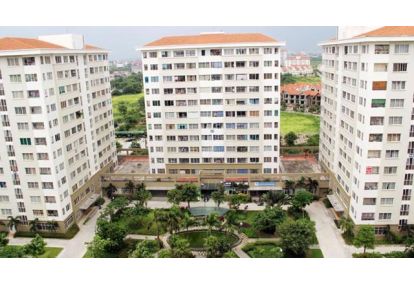
According to the 2014 Housing Law, effective from July 1, 2015, developers can only implement commercial housing projects if they have residential land use rights. This policy has limited undeveloped areas, especially new regions, because these places do not have sufficient residential land. The government recognizes that existing policies cannot effectively meet the housing needs of most people, particularly as high-end housing projects dominate the market, leaving the demand for affordable housing unmet.
Therefore, the government proposes expanding the land use scope to allow the conversion of agricultural and non-agricultural land into commercial residential land, addressing the current shortage of land supply. This not only helps alleviate the housing pressure on people but also promotes balanced development of the real estate market.
2. HoREA's Proposal and Social Reactions
The Chairman of the Ho Chi Minh City Real Estate Association (HoREA), Lê Hoàng Châu, proposed prioritizing enterprises with financial capacity or existing land reserves to participate in developing affordable housing projects. He believes this will help restructure the current market, directing more resources into housing that truly meets the needs of the general public, especially the housing needs of low- and middle-income groups.
However, many National Assembly delegates expressed concerns during recent discussions. They worry that in the process of implementing the expanded land conversion policy, there might be cases where projects are completed but remain unoccupied, or where projects fail to truly address people's housing needs. These delegates emphasized that social housing and livelihood housing are still urgently needed products in many areas, but developing these projects still faces numerous challenges.
3. Pilot Standards and Supervision Mechanisms
To avoid misuse in the land conversion process, the government and HoREA have proposed some key standards. According to regulations, pilot projects should be selected in urban areas and exclude land that requires expropriation. Additionally, under the planning, the newly added residential land area should not exceed 30% of the planned period. This standard will prevent excessive land conversion, avoiding the misuse of agricultural or arable land for housing development, thereby safeguarding national food security.
Furthermore, HoREA also recommends setting clear standards for investors to ensure that their proposed land conversion projects align with local needs and planning requirements. This mechanism will strengthen supervision, ensuring that the implementation of the pilot policy is not abused.
4. Challenges and Prospects
One of the biggest challenges in expanding the land scope for affordable housing development is the gap between land prices and housing prices, especially in areas with high land prices, such as districts and provinces around Hanoi. Recently, land auction prices in these areas have soared, significantly increasing the construction costs for developing affordable housing.
Nevertheless, if implemented smoothly, this policy will help address housing difficulties for the public, reduce pressure on housing prices, and provide more home-buying opportunities for low- and middle-income groups. The key lies in government agencies establishing effective monitoring mechanisms to ensure that affordable housing projects are actually realized and not abused by investors.
5. Conclusion
Expanding the land scope to build commercial affordable housing is a necessary measure that can promote the sustainable development of the real estate market and address the housing needs of the public. However, to achieve this goal, the government and relevant regulatory agencies need to establish clear monitoring mechanisms to avoid policy abuse, ensuring that affordable housing projects truly meet people's livelihood needs without affecting the rational use of land resources. Only in this way can the real estate market achieve balanced development and provide more affordable housing options for the public.
#FTT Real Estate Co., Ltd.
(#Real Estate Consulting / #Leasing and Property Management and Sales / #Furniture and Decoration)
LINE official account @ymq0321f|Zalo +886 956 918 888|WeChat
┃Youtube: FTT REAL ESTATE
┃Website : www.fttland.com