Significant Decline in Land Use Fee Revenue in Hanoi and Ho Chi Minh City: Causes and Impacts
In 2024, land use fee revenue in Hanoi and Ho Chi Minh City decreased significantly, which is an important source of local fiscal revenue. This phenomenon has raised widespread concerns about the fiscal conditions of the two major cities and has had a profound impact on urban development and infrastructure projects. So, what are the reasons for this revenue decline? How will it affect the economy and the lives of residents?
Reasons for the revenue decline
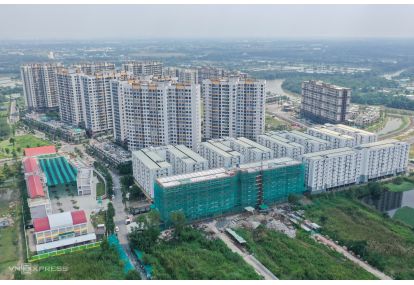
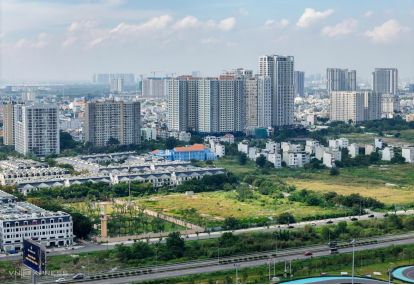
There are many factors contributing to the significant decline in land use fee revenue in Hanoi and Ho Chi Minh City. First is the stagnation of the real estate market. Due to legal procedural issues, many real estate projects cannot proceed or are delayed, resulting in land supply failing to meet market demand. This directly leads to a reduction in land transactions and land use fees related to new projects.
Second, government policies on land transfer have been further tightened, leading to a decrease in transaction activity. Many investors and real estate enterprises have suspended or scaled back their investment due to concerns about legal risks and market fluctuations. This further affects the inflow of land use fees into local finances.
Impact on fiscal and urban development
The decline in land use fee revenue has posed significant challenges to urban development and infrastructure construction in Hanoi and Ho Chi Minh City. Many large-scale infrastructure projects, such as the construction of roads, hospitals, and schools, rely primarily on this revenue source. This reduction in revenue may lead to delays or downsizing of public projects to adapt to limited fiscal resources.
In addition, local governments also face the challenge of fiscal gaps, forcing them to seek alternative revenue sources or implement austerity measures. This can directly affect public services such as education, healthcare, and public transportation, negatively impacting residents' quality of life.
Outlook and Solutions
To cope with this decline in revenue, local governments need to take measures to improve land-related legal procedures and accelerate the approval process for real estate projects. This not only helps increase land supply but also promotes the recovery of real estate enterprises, thereby increasing land use fee revenue.
In addition, the government should also consider reforming land tax policies to encourage green and sustainable development projects, and expand public-private partnership (PPP) projects, which will be a viable solution to compensate for the decline in revenue in the short term.
Conclusion
The decline in land use fee revenue in Hanoi and Ho Chi Minh City is a signal worth paying attention to, requiring the government and relevant parties to act quickly to find appropriate solutions. In this context, improving land management policies and supporting the development of the real estate market are crucial to ensuring the sustainable development of these two cities.