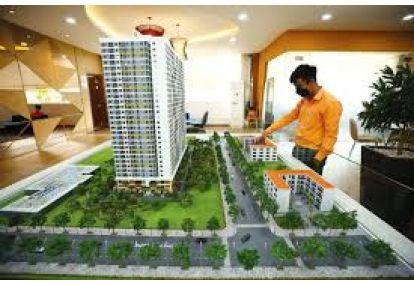
Only one residential project in Ho Chi Minh City received investment approval in Q1: A warning sign for the real estate market
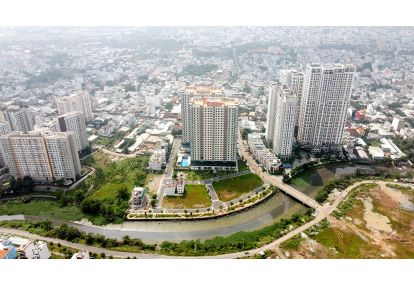
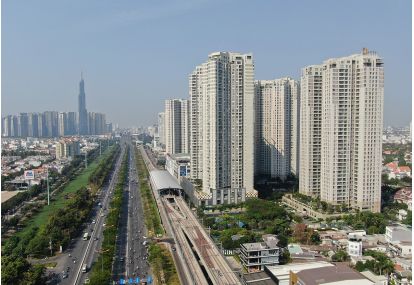
In the first quarter of 2024, Ho Chi Minh City's real estate market sent a worrying signal: only one residential project received investment approval. This phenomenon indicates a significant slowdown in the development of real estate projects, particularly residential ones, despite the city's still very high demand for housing. This situation not only affects housing supply but also has a huge impact on the overall development of the real estate market, bringing numerous challenges to businesses, investors, and citizens.
Reasons for the delay in project approval
One of the main reasons for the significant decrease in the number of approved residential project investments is that legal procedures related to land and construction remain complex. Every step, from applying for permits to financial approval and planning approval, consumes a great deal of time, leading to project delays. This is particularly common in Ho Chi Minh City, where the permitting process can take several years, causing many projects to be suspended or postponed.
Furthermore, the relevant management departments lack coordination in urban planning and development, leading to inefficiencies in the approval process. Many projects require approvals from multiple departments, which further increases time and costs and dampens investors' enthusiasm for developing new projects.
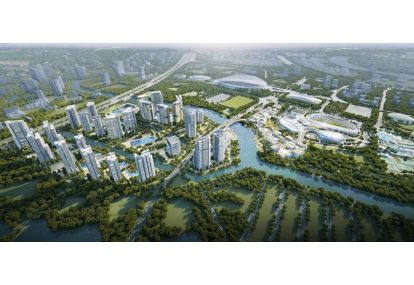
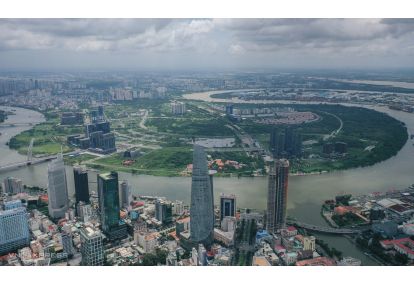
Another important factor is the increasingly scarce land resources in the central area of Ho Chi Minh City. When land supply in the city center becomes insufficient, investors are forced to turn to suburban areas where infrastructure is not yet fully developed. This brings numerous risks and challenges to the development of residential projects and slows down the pace of urban development.
Impact on the real estate market and economy
In the first quarter, only one residential project was approved, which caused many negative impacts on the real estate market. The shortage of residential supply led to rising land and housing prices, especially in the city center and its surrounding areas where demand is high. This increased the financial pressure on homebuyers, particularly for young families and middle-income groups, making the burden increasingly heavy.
Furthermore, the stagnation of project development has made market activity sluggish, leading to instability in the operations of real estate enterprises. Many companies face declining revenues due to their inability to launch new projects. This not only affects real estate companies but also puts pressure on related industries such as construction, design, and building material suppliers, potentially leading to unemployment issues in these sectors.
Delays in project approvals also pose challenges for investors. With new projects scarce, investors must compete fiercely for limited opportunities, which drives up costs and reduces returns on investment. This may cause some investors to withdraw from the market or shift to other sectors.
Prospects and Solutions for the Current Situation
To resolve the current difficulties, the Ho Chi Minh City government needs to implement a series of strong reform measures to improve the project approval process. First, it should simplify and expedite administrative procedures related to construction permits, creating favorable conditions for investors to advance their projects. This requires close cooperation between government administrative departments and investors to ensure that the project approval process is fast and efficient.
In addition, the government should encourage the development of infrastructure in suburban areas. When transportation, public services, and social facilities are fully developed, these areas will become more attractive to investors and homebuyers. This will help alleviate the pressure on land supply in the city center and achieve balance in the process of urban development.
At the same time, more attention should be paid to developing social housing projects. The public-private partnership (PPP) model could be a feasible solution to accelerate social housing construction, meeting the housing needs of low- and middle-income groups. This not only helps solve the housing problem but also promotes the sustainable development of the real estate market.
Conclusion
In Ho Chi Minh City, only one residential project received investment approval in the first quarter, which is a worrying sign that the real estate market is facing challenges. To address this issue, the government must take strong reform measures and work together with relevant stakeholders. Once legal and infrastructure obstacles are resolved, Ho Chi Minh City will be able to increase housing supply, stabilize housing prices, and create favorable conditions for the sustainable development of the real estate market.
#FTT Real Estate Co., Ltd.
(#Real Estate Consulting / #Leasing and Property Management and Sales / #Furniture and Decoration)
LINE Official Account @ymq0321f|Zalo +886 956 918 888|WeChat
┃Youtube: FTT REAL ESTATE
┃Website : www.fttland.com