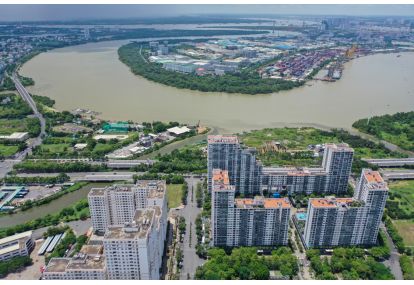
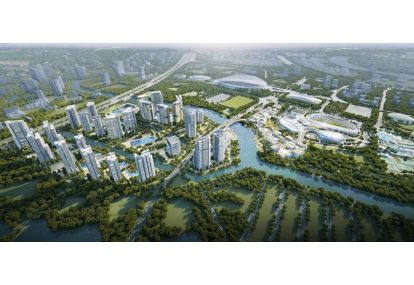
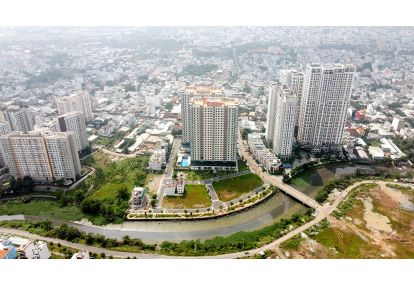
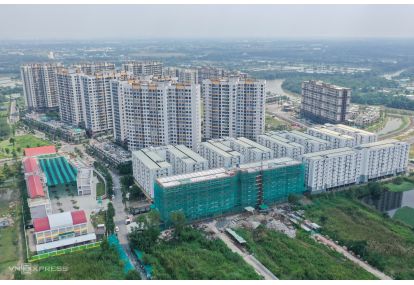
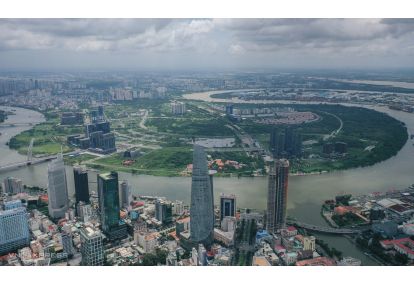
Ho Chi Minh City has seen no new apartment projects launched for two consecutive months: causes and impacts on the real estate market
Against the backdrop of many challenges facing the Ho Chi Minh City real estate market, having no new apartment projects launched for two consecutive months is a signal worth noting. This phenomenon has almost never occurred in recent years, especially when housing demand in the city remains very high. This situation not only directly affects housing supply but also has a huge impact on the real estate market and related industries. This article will analyze the reasons for this phenomenon, the consequences it produces, and propose solutions needed to restore the market.
Reasons for the stagnation of new apartment project launches
There are multiple reasons behind Ho Chi Minh City having no new apartment projects launched for two consecutive months. First, there are many difficulties related to legal regulations concerning construction permits and project approvals. Cumbersome administrative procedures and lengthy review processes have hindered the progress of many real estate projects, preventing investors from launching on schedule. This has become a major obstacle to the development of housing supply.
Secondly, the shortage of land resources in the city center is also one of the main reasons why new apartment projects cannot proceed. The available land in the central area of Ho Chi Minh City is almost exhausted, while the infrastructure in the suburbs and surrounding areas has not yet been fully developed, making investors hesitant to implement projects in these areas.
Furthermore, the real estate market also faces uncertainties in interest rates and credit policies. Banks' tightening of credit policies has made it difficult for many investors to raise sufficient funds to launch new projects, which not only affects project progress but also reduces companies' enthusiasm for developing new projects.
Impact on the real estate market and homebuyers
Two months without new apartment projects launching for sale has had a significant negative impact on Ho Chi Minh City's real estate market. First, the supply shortage has further intensified price pressure, especially in central areas and the near suburbs. Although demand remains strong, the lack of supply has caused prices to keep rising, increasing the financial burden on homebuyers, particularly for middle- and low-income groups.
In addition, the inability of new projects to go on sale has also brought challenges to real estate enterprises. The lack of new projects available for development has caused many companies' revenue to decline, while simultaneously increasing investors' financial risk. Many enterprises have been forced to postpone or cancel their investment plans, which has had an adverse impact on their long-term development strategies.
Industries related to real estate, such as construction, building materials production, and interior design, were also affected. With no new projects starting, demand for building materials and labor decreased, leading many businesses to reduce production and workforce.
Consequences of long-term supply shortage
The stagnation of new apartment project launches not only brings short-term effects but will also impact the long-term development of Ho Chi Minh City. If this situation persists, the city will face a serious risk of housing shortage, especially in the coming years. This could widen the gap between rich and poor, as those with higher incomes can access housing, while low-income groups find it harder to own their own homes.
Furthermore, the instability of the real estate market can also affect investor confidence. When projects are not implemented as planned, investors become concerned about risks and may shift their capital to other markets. This not only weakens Ho Chi Minh City's appeal to domestic and foreign investors but may also delay the city's urbanization process and economic growth.
Strategies to Resolve Current Challenges
To resolve this situation, Ho Chi Minh City needs to implement a series of measures to improve the project approval process. Reforming administrative procedures, simplifying and shortening approval times will help accelerate the implementation of real estate projects, thereby increasing the housing supply in the market.
The municipal government should also promote infrastructure development in the suburbs to create favorable conditions for new projects. Once transportation and public services are adequately invested, these areas will become more attractive to investors and homebuyers.
In addition, credit support policies should be implemented to help developers and homebuyers ease financial pressure. Preferential loan programs or interest rate subsidies could be an effective means to incentivize real estate companies to launch new projects and help residents more easily access home purchase funds.
Conclusion
Ho Chi Minh City having no new apartment projects launched for two consecutive months is a warning sign, indicating that the real estate market is facing many difficulties and challenges. However, through appropriate reform measures, including improving administrative procedures, strengthening infrastructure development, and providing credit support, the city is expected to overcome current difficulties and restore stability in the real estate market. This will not only help meet residents' housing needs but also promote the city's sustainable development.