Apartment supply in Ho Chi Minh City remains scarce in 2025
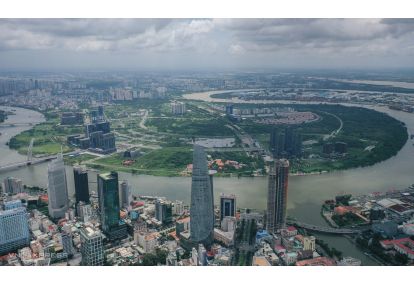
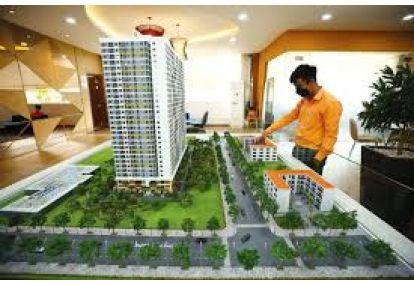
Ho Chi Minh City's real estate market is facing a severe challenge of insufficient apartment supply, and according to forecasts, this situation will continue until 2025. This not only has a huge impact on investors but also deeply affects the housing needs of middle- and low-income residents. This issue raises many questions about the sustainability of the real estate market and also presents urgent solutions that need to be implemented.
Reasons for Supply Scarcity
There are many reasons for the scarcity of apartment supply in Ho Chi Minh City, the most significant being the cumbersome project approval processes and legal procedures. Many real estate projects are stalled due to strict legal requirements and the lack of synchronization in approval processes among management agencies. This not only extends the time for project completion but also causes many projects to be suspended or delayed, thereby severely affecting the apartment supply.
Furthermore, land resources in the central areas of Ho Chi Minh City are increasingly depleted, forcing developers to shift projects to the suburbs or neighboring provinces. However, the infrastructure in these areas is relatively weak, making them less attractive to buyers who wish to purchase property near the city center.
Impact on Prices and Buyers
The supply scarcity directly leads to soaring apartment prices in Ho Chi Minh City. According to reports from JLL and CBRE, apartment prices in the city center and surrounding areas have risen steadily over the past few years, and this trend is expected to continue in the coming years. This not only makes it difficult for middle-income earners to enter the market easily but also leads to instability in the real estate market. Many families, especially young people and low-income wage earners, are forced to seek more affordable housing in the suburbs or even neighboring provinces such as Binh Duong or Dong Nai.
In addition, supply scarcity also puts immense pressure on investors. Due to insufficient supply of new projects, many investors have to compete fiercely within limited opportunities, leading to price increases and a decline in investment returns. The imbalance between supply and demand may also lead to a real estate bubble, where market risks increase when housing prices far exceed residents' affordability.
Solutions and Market Outlook
To address the issue of supply scarcity, the Ho Chi Minh City government needs to propose specific measures to improve project approval and licensing processes. Streamlining administrative procedures and synchronizing workflows among relevant agencies will help accelerate the launch of new projects. At the same time, the government should encourage the development of social housing and low-income housing projects to meet diverse housing needs.
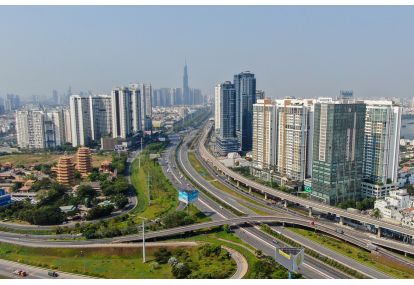
Another solution is to expand transportation infrastructure between the suburbs and the city center. By developing highways, bridges, and public transportation systems, suburban emerging towns can become more attractive to homebuyers. This not only alleviates supply pressure in the city center but also promotes balanced development in Ho Chi Minh City and its surrounding areas.
Conclusion
Apartment supply in Ho Chi Minh City is expected to remain scarce in 2025, and without timely intervention, this situation may further worsen. This not only significantly impacts housing prices and residents' affordability but also poses challenges for investors and the entire real estate market. The government and relevant stakeholders must work closely together to formulate long-term solutions to ensure sustainable market development. In this context, effective supply management and infrastructure development are key to easing market pressure and creating favorable conditions for future growth.