Pilot program for selling goods inside Ho Chi Minh City metro stations
Ho Chi Minh City plans to boost commercial development at metro stations: stimulating consumption and driving dual momentum for real estate
Developing retail services within metro stations is being seen as a breakthrough for Ho Chi Minh City to enhance public transport efficiency and build a modern urban commercial ecosystem. This model not only provides convenience for commuters but is also expected to become a new growth engine for the retail sector and the real estate market around stations.
Station commercialization: an inevitable trend in urban development
The Department of Industry and Trade of Ho Chi Minh City recently stated that it will consider setting up basic retail services at stations along Metro Line 1 (Ben Thanh – Suoi Tien), a proposal coming from the local large retail cooperative Saigon Co.op.
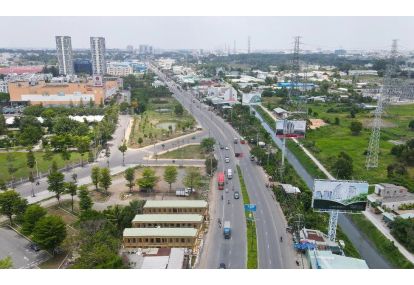
The metro line is nearly 20 kilometers long with 14 stations (3 underground, 11 elevated), currently meeting only basic transportation needs, with station spaces not yet effectively utilized and lacking supporting services such as shopping, dining, and entertainment.
The city government believes that introducing commercial services within stations can not only create diversified revenue sources but also provide commuters with fast and convenient consumption options, which is especially attractive for high-density urban areas.
International success stories: a model of transport × commerce integration
This model has been successfully implemented in cities such as Japan, South Korea, and Singapore, where metro systems are not just transportation means but comprehensive hubs combining shopping, dining, banking, clinics, and entertainment.
Taking Japan as an example, station malls like Tokyo Metro Mall and Osaka Station City have not only effectively increased metro ridership but also significantly boosted retail revenue and the economy of surrounding areas.
Saigon Co.op pilot project: commuting meets shopping
According to the initial concept, Saigon Co.op will cooperate with relevant units to pilot flash-mob style commercial services at some stations, such as selling daily necessities, beverages, and convenience shopping.
The Ho Chi Minh City Department of Industry and Trade also suggested that Saigon Co.op directly connect with Ho Chi Minh City Urban Railway Management No. 1 Company (HURC1) to incorporate this concept into the metro infrastructure development plan.
Metro Line 1: High usage, but commercial potential untapped
Since its launch, Metro Line 1 has welcomed over 10 million passengers in 7 months, with an average daily ridership of more than 52,300 people, far exceeding the original target. However, the 14 stations still lack basic commercial facilities, failing to fully meet the growing commuter traffic and potential consumer spending.
Ho Chi Minh City plans to build a metro network totaling 335 kilometers by 2035. If the 'transportation + commerce' development strategy can be integrated early, it will maximize the benefits of infrastructure and comprehensively boost the city's consumer power.
Real estate around stations: Benefiting from metro + commercial synergy
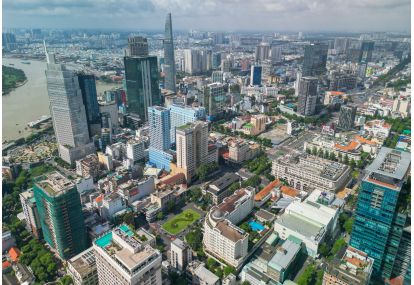
Several real estate experts point out that if stations are equipped with comprehensive commercial functions, it will significantly enhance the property value of surrounding areas, especially in the golden zone within 500 to 800 meters of the station.
-
Properties such as shophouses, commercial apartments, and short-term rental suites will attract market attention;
-
Land and property prices in areas around metro stations with well-equipped commercial facilities typically rise 10% to 30% faster than in general areas;
-
Investors have begun to rebalance their asset allocations, favoring real estate projects located near popular stations (e.g., Ben Thanh Market, Opera House, Suoi Tien, Thu Duc District, Hi-Tech Park).
If Ho Chi Minh City officially launches the station commercialization pilot in 2026, it is expected to bring dual benefits: promoting retail development + driving real estate value growth.
Metro station commercialization is not just about selling goods, but a strategy for urban upgrading
Setting up commercial spaces in metro stations is not just a small innovation for passenger convenience, but a major strategic shift in urban planning—creating a diverse ecosystem that combines transportation, consumption, and residential value.
Against the backdrop of rapid urban development and expanding transportation infrastructure, if Ho Chi Minh City can take the lead in implementing this model, it will not only enhance the economic efficiency of infrastructure but also strengthen the core consumption capacity of the city, drive real estate transformation and appreciation, and cultivate a new vision for future urban living.
The metro is no longer just a commuting route, but a golden corridor connecting life, commerce, and the city's future.