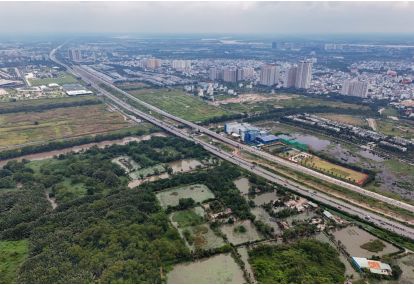
Vietnam Real Estate Inventory Situation Q3 2024
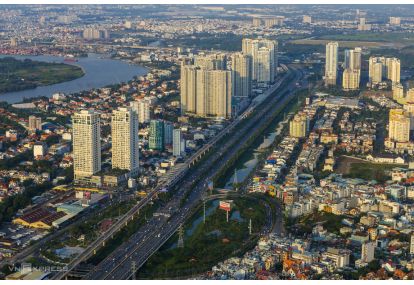
In the context of Q3 2024, Vietnam's real estate market is facing a significant increase in inventory, reaching nearly 26,000 units, a 52% rise compared to the previous quarter. This not only reflects the inherent difficulties of the market but also requires real estate companies to urgently restructure their strategies and development directions to adapt to changes in demand and macroeconomic conditions.
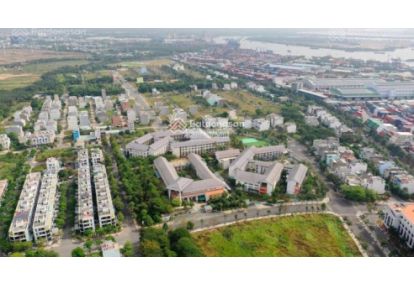
According to the Ministry of Construction's report, the inventory includes 4,688 apartments, 12,250 detached houses, and nearly 9,000 plots of land. Notably, most of the inventory is concentrated in the townhouse and land subdivision segments, located in surrounding areas where prices are too high, legal status is unclear, and locations are poor, making these products difficult to attract buyers. The lack of legal transparency, unfavorable locations, and high prices have made these real estate products a financial burden for both owners and the market.
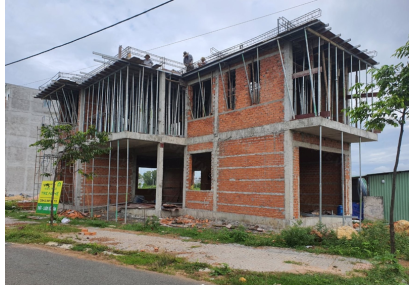
Meanwhile, the apartment segment, which should meet the actual needs of residents, is facing a large inventory due to projects under development that have not yet determined their launch dates or are stalled by legal issues. Legal ambiguity and problems related to administrative procedures have been and are causing many projects to stall, increasing implementation costs and putting financial pressure on developers. From a market structure perspective, these obstacles are weakening the ability to convert inventory into liquid assets, thereby negatively affecting companies' cash flow.
The Ministry of Construction suggests that real estate enterprises need to proactively review and optimize costs while adopting advanced construction technologies to reduce product costs. Actively using smart building technologies, eco-friendly materials, and automated processes not only helps lower costs but also enhances product competitiveness. In particular, this helps products better align with the market's payment capacity, creating balanced benefits between businesses and consumers, thereby strengthening confidence in the real estate market.
Mr. Le Hoang Chau, Chairman of the Ho Chi Minh City Real Estate Association (HoREA), emphasized that a large inventory is becoming a financial burden for enterprises with weak financial foundations, especially those using high leverage. When inventory cannot be converted into cash flow, it becomes a huge burden, weakening companies' financial capacity and pushing many firms into a state of liquidity depletion. Chairman Le suggested that developers should quickly formulate strategies to clear inventory, where adjusting selling prices is a feasible solution to create liquidity, improve cash flow, and enhance financial capacity.
Furthermore, Chairman Le also proposed that banks should support lowering mortgage interest rates, thereby providing residents with more convenient access to capital. Lower mortgage rates will stimulate demand, improve residents' purchasing power, and thus enhance market liquidity. Government administrative agencies should also promptly resolve legal obstacles to help enterprises advance and launch projects, thereby reducing inventory pressure. This requires simplifying licensing processes, improving inter-departmental coordination, promoting transparency in legal regulations, and creating favorable conditions for businesses.
Despite high inventory levels, real estate market prices continue to rise, especially in Hanoi and Ho Chi Minh City. In the third quarter of this year, apartment prices in these two cities increased by 4-6% quarter-on-quarter and 22-25% year-on-year, with some areas seeing price increases of 35-40% within just a few months. This shows a severe imbalance between supply and demand, as speculative factors continue to push prices up while the market's actual demand remains unmet. Despite the large inventory, housing prices are still soaring, reflecting widespread speculation and many investors' unreasonable expectations of price increases, leading to a higher risk of a real estate bubble.
To address this situation, real estate enterprises need to demonstrate greater flexibility and proactivity in reducing inventory. In particular, they should adjust business strategies to focus on developing products that meet actual demand and payment capacity. Enterprises should also expand strategic partnerships to enhance product added value and create new appeal for buyers. Focusing on the actual value of products rather than merely pursuing short-term profits will contribute to market stability and sustainable development.
In addition, activities in communication, product promotion, and improving after-sales service also play an important role in attracting customers. Enterprises need to grasp consumer needs, ensure transparency during the purchasing process, and implement customer support policies such as discounts, promotions, or flexible payment options. These measures not only help stimulate demand but also effectively clear inventory.
In summary, to overcome the current inventory challenges, real estate enterprises need to proactively adapt, including adjusting selling prices, optimizing construction costs, and improving customer support policies. This requires close collaboration among enterprises, banks, and government management agencies to create a stable and sustainable market environment in the current volatile context.
➖➖➖➖➖➖➖➖➖➖
#FTT Real Estate Co., Ltd.
(#Real Estate Consulting / #Leasing and Property Management and Sales / #Furniture and Decoration)
LINE Official Account @ymq0321f|Zalo +886 956 918 888|WeChat
┃Youtube: FTT REAL ESTATE
┃Website : www.fttland.com