Favorable factors boost strong development of Ho Chi Minh City real estate in the west
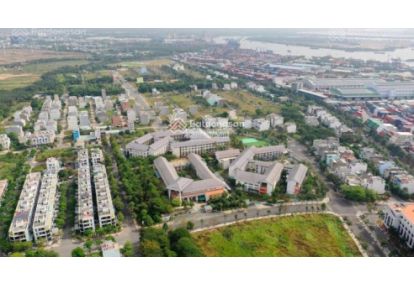
Western Ho Chi Minh City is emerging as a key focus in the strategy for regional urban development and the real estate market, thanks to the comprehensive development of social infrastructure, the connection of transportation networks, and strong population inflows driven by the surge in industrialization. With its superior geographical location, infrastructure, and labor resources, the region has become and will continue to be a focus for domestic and international real estate investors.
Industrial development drives population 'inflow'
According to Long An Province's development strategy, 17 new industrial parks will be established in the future, bringing the total number of industrial parks in the province to 51 by 2030, with a total area of 12,433 hectares. At the same time, Long An Province also aims to develop 28 industrial parks with a total area of 1,808 hectares, increasing the total to 72 with a total area of 3,989 hectares by 2030. This strong industrial development has brought huge population inflow demand to western Ho Chi Minh City, further driving the development of the housing market.
Between 2009 and 2021, Long An province's inbound population grew at an average annual rate of about 2%, bringing the current total population to approximately 1.6 million, of which 1 million are of working age. Notably, 71% of the population has received basic training, indicating a high-quality workforce in the region that can meet the market's high standards. The increase in a young, dynamic, and skilled labor force has made the region highly attractive. These workers are not only a vital human resource for the industrial parks but also generate significant demand for high-quality housing, convenient services, and a quality living environment.
The development of industrial parks in Long An and the western part of Ho Chi Minh City is not only of economic strategic significance but also brings tremendous value to the real estate market. Experts believe that these solid industrial infrastructures are an important foundation for attracting investment in high-end real estate projects, meeting not only the needs of workers but also those of experts, engineers, and highly skilled laborers seeking modern, convenient living spaces close to their workplaces.
The strong appeal of transportation infrastructure
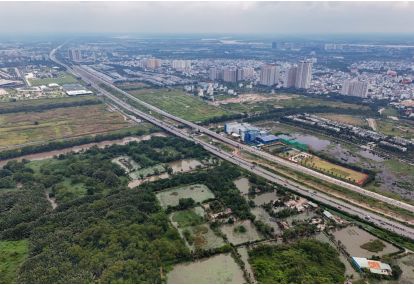
The transportation infrastructure in the western part of Ho Chi Minh City is considered an important strategic factor, playing a leverage role in promoting regional connectivity and socio-economic development. A series of transportation projects such as the Bien Hoa - Long Thanh Expressway, the upgrade and expansion of National Highway 1A, and the implementation of the Ring Road 3 project aim to improve the connection between Ho Chi Minh City and neighboring provinces such as Dong Nai, Long An, and Ba Ria - Vung Tau.
The Bien Hoa - Long Thanh Expressway plays an important role in shortening travel time between regions, not only making the connection between Long An and Ho Chi Minh City more convenient, but also promoting trade between the Southeast and Southwest regions. It is considered an arterial traffic route that ensures the efficiency of goods transportation and residents' travel. The improvement of various traffic routes not only enhances travel convenience but is also an important factor in promoting the growth of real estate value in the region.
In addition, the upgrade project of National Highway 1A from An Lac Roundabout to the Long An provincial border, serving as a major traffic artery connecting Ho Chi Minh City with the southwestern provinces, has reduced traffic pressure and acts as a commercial corridor, increasing the economic value of the surrounding areas. Especially after the completion of the Third Ring Road project, it will connect with five major expressways, including Ho Chi Minh City–Trung Luong, Ho Chi Minh City–Moc Bai, Ho Chi Minh City–Thanh Thanh, Ho Chi Minh City–Long Thanh–Dau Giay, and Bien Hoa–Long Thanh, forming an extremely powerful and complete regional connectivity network.
The development of a modern and comprehensive transportation system is helping western Ho Chi Minh City maximize its geographical advantages, becoming a trade, cargo transport, and gateway hub between Ho Chi Minh City and the Mekong Delta region. This not only drives economic development but also positively impacts the real estate market, attracting investment attention from both domestic and international sources.
Social infrastructure enhances urban quality
Not only transportation infrastructure, but also social infrastructure in western Ho Chi Minh City has been comprehensively developed to improve residents' quality of life and attract investment. Social infrastructure development projects, including hospitals, schools, and public facilities, have been and are being invested in synchronously, ensuring high-quality standards to meet the needs of local residents.
The modern healthcare system built in the western region, including hospitals and medical centers of international standards, provides high-quality health services to the community, giving residents greater peace of mind when living and working here. In addition, educational facilities from kindergarten to high school have also received strong development investment, creating the best conditions for the learning and growth of the younger generation.
In addition, commercial and entertainment facilities such as shopping centers, supermarkets, entertainment areas, and green parks are also developing in tandem, creating a rich and diverse living environment for residents. The development of the new urban area places particular emphasis on the construction of green spaces, ensuring that residents enjoy a fresh and natural living environment, which not only helps reduce pollution but also provides residents with leisure spaces after work, promoting physical and mental well-being. This is one of the important factors in improving the quality of life and increasing the real estate value of the area.
For example, The Larita is a typical case of sustainable green living space development in western Ho Chi Minh City. The project is dedicated to providing residents with a fully equipped living space that blends convenience and privacy, ensuring a high quality of life. With its prime location and modern amenities, The Larita not only meets residents' needs for green living but is also particularly suitable for workers employed in nearby industrial parks, offering a comfortable and eco-friendly living experience.
Overall, with the strong development of transport infrastructure and social infrastructure, along with the continuous improvement of various convenient services, western Ho Chi Minh City is rapidly emerging as one of the most attractive real estate areas in the city. The combination of a convenient transport network, a high-quality living environment and strong economic development potential has together led the area to attract a large number of residents and strategic investors both domestic and international. With these advantages, western Ho Chi Minh City has sufficient foundation to become an emerging urban center, with living quality and investment opportunities both reaching the highest level, making a positive contribution to the sustainable development of Ho Chi Minh City.
➖➖➖➖➖➖➖➖➖➖
#FTT Real Estate Co., Ltd.
(#Real Estate Consulting / #Leasing and Property Management and Sales / #Furniture and Decoration)
LINE Official Account @ymq0321f|Zalo +886 956 918 888|WeChat
┃Youtube: FTT REAL ESTATE
┃Website : www.fttland.com