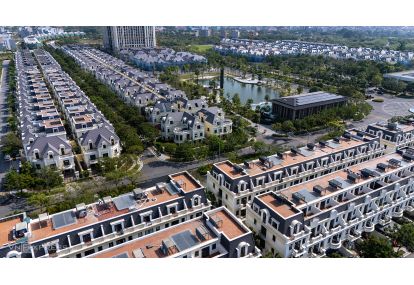
Pilot land transfer for commercial and residential projects: a new opportunity for the real estate market
On November 30, the National Assembly passed a resolution on the pilot transfer of agricultural land and non-agricultural land (including commercial service land) for commercial residential projects, with support from over 86.6% of the delegates. This policy marks an important step in the real estate market, especially against the backdrop of increasing urban housing demand.
New Regulations and Conditions for Transferring Land Use Rights
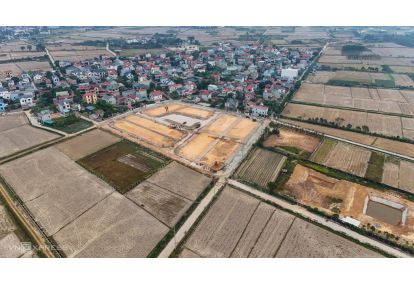
Under the current provisions of the 2014 Housing Law, only investors with residential land use rights could develop commercial residential projects. However, from April 1, 2025, under the pilot policy, investors will be able to negotiate for the use rights of agricultural land and non-agricultural land (including commercial service land) to develop commercial residential projects. This is an important development aimed at expanding land sources to meet the growing market demand.
To participate in this pilot program, development projects must meet some specific conditions. First, the land must be located in urban areas and comply with municipal land use planning. These projects must also, within the planning period, increase the residential land area by up to 30% compared to the existing land use status. Meanwhile, real estate enterprises must comply with the relevant legal requirements of the land law, housing law, and real estate business regulations.
Nationwide Pilot: Ensuring Fairness and Efficiency
Although there were suggestions to implement the pilot only in certain regions with higher demand for commercial residential projects, the National Assembly decided to extend this policy nationwide. This ensures uniformity and fairness across different localities and avoids some areas missing out on the opportunities brought by this policy.
Currently, small-scale commercial residential projects face many challenges regarding land resources, especially in large cities. Expanding land sources, including agricultural land and non-agricultural land, will help alleviate pressure and provide more opportunities for investors, thereby helping to ease the shortage of residential land.
Positive impacts on the real estate market
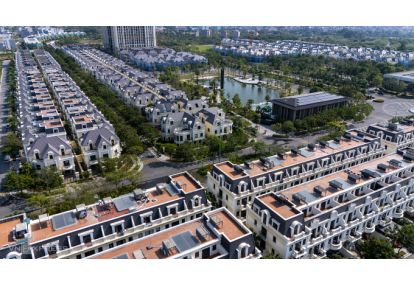
The pilot of this policy will have a positive impact on the real estate market in the coming years. First, it will help address the shortage of residential land in major cities, thereby reducing the difficulties developers face when implementing commercial residential projects. Opening up land sources will provide investors with more options and help improve the quality of life for urban residents.
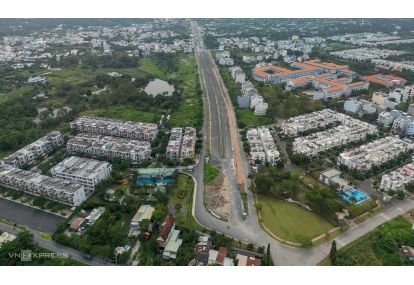
Furthermore, this policy also provides opportunities for urban development in various regions, particularly those with high residential demand but scarce land. The development of commercial residential projects will drive infrastructure construction, promote local economic growth, and create employment opportunities for residents.
Challenges and Issues to Note
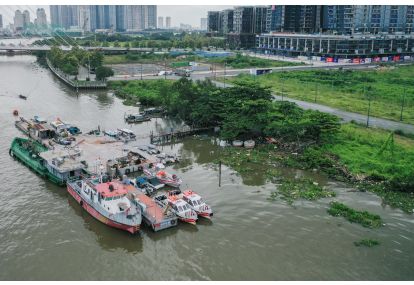
Although this policy brings many opportunities, it also presents considerable challenges. The transfer of agricultural and non-agricultural land requires strict oversight by relevant authorities to prevent land from being used for inappropriate purposes. In particular, land related to national defense and security requires approval from the Ministry of National Defense and the Ministry of Public Security before it can be transferred.
In addition, investors also need to ensure that the project complies with the provincial land use planning to avoid adverse impacts on the environment and surrounding areas. During land management and project implementation, careful operations are necessary to prevent improper land subdivision or illegal sales of plots.
Conclusion
The pilot policy allows the transfer of agricultural land for commercial and residential projects, which is an important measure in reforming the real estate market. This policy not only helps address the issue of land shortages but also provides investors with more development opportunities, meeting the growing housing demand in cities. However, for this policy to truly take effect, supervision must be strengthened, and cooperation among all parties must be ensured to jointly promote transparency and standardization in land management.
#FTT Real Estate Co., Ltd.
(#Real Estate Consulting / #Leasing and Property Management and Sales / #Furniture and Decoration)
LINE official account @ymq0321f|Zalo +886 956 918 888|WeChat
┃Youtube: FTT REAL ESTATE
┃Website : www.fttland.com