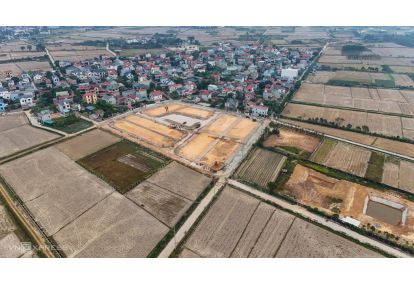
The Ministry of Finance is studying taxation on multiple property ownership and abandoned land: opportunities and challenges
Against the backdrop of Vietnam's continuously developing real estate market, the Ministry of Finance is studying tax policies targeting multiple property ownership and abandoned land, especially properties that are not in use. The goal of this study is to prevent resource waste while promoting more efficient use of land and real estate, thereby reducing speculation and balancing supply and demand in the real estate market.
1. Situation and research motivation
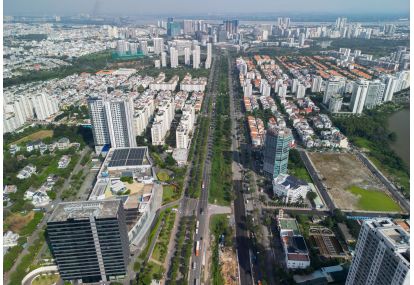
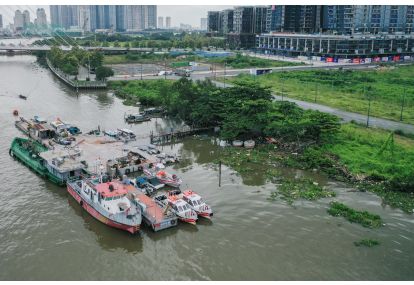
Currently, in major cities such as Hanoi and Ho Chi Minh City, many high-end products like commercial-residential buildings and villas have appeared on the market, but reasonably priced residential housing is becoming increasingly scarce, creating a huge gap between demand and supply in the market, leaving many citizens unable to afford reasonable housing. Additionally, many high-value properties or land plots are left idle for long periods without being put to use, causing a waste of land resources.
Therefore, the Ministry of Finance is studying tax policies for those who own multiple properties, especially abandoned real estate. This is part of Vietnam's tax reform strategy and will be adjusted based on international experience, aiming to ensure the rational use of land resources.
2. Tax policy recommendations
One tax policy the Ministry of Finance is considering is to levy taxes on individuals who own multiple properties that are unused or have not been developed for a long time. Its purpose is to encourage people to use their properties more effectively, avoid speculation, and thereby curb the rise in real estate prices. The Ministry of Finance is also studying taxation on owning more than one property or long-term abandoned projects.
In addition, the Ministry of Construction has also proposed tax policies for multiple property ownership, particularly targeting second properties or abandoned projects. This tax would gradually increase based on the duration of ownership, aiming to combat short-term speculation, reduce real estate flipping, and stabilize market prices.
3. Advantages and challenges
The main advantage of this tax policy lies in improving the efficiency of land and real estate use and reducing speculation. If implemented reasonably, it will help reduce idle real estate and promote the rational utilization of resources, thereby fostering a sustainably developing market.
However, this policy also faces many challenges. A major concern is that taxing based on the duration of ownership may not immediately lower real estate prices, and could instead have a negative impact on the market. This might lead owners to rush to sell their properties, causing market instability and creating difficulties for those who genuinely need real estate.
4. Conclusions and Prospects
Although the policy of taxing owners of multiple properties and abandoned land can bring many benefits in terms of management resources and reducing speculation, its implementation timing and method still require careful study. Adjusting tax policies to suit the actual economic and social conditions and market demand is key to avoiding negative impacts on the economy and the public.
The Ministry of Finance will continue to study appropriate taxation methods, ensuring they keep pace with market development and promote the healthy, sustainable growth of the real estate market, laying the foundation for a more transparent and fair economic environment.
#FTT Real Estate Co., Ltd.
(#Real Estate Consulting / #Leasing and Property Management and Sales / #Furniture and Decoration)
LINE official account @ymq0321f|Zalo +886 956 918 888|WeChat
┃Youtube: FTT REAL ESTATE
┃Website : www.fttland.com