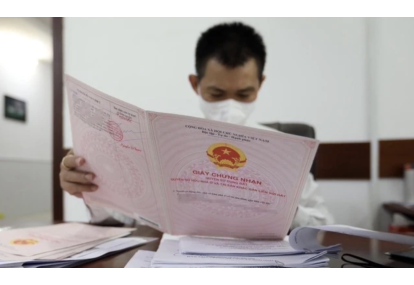
Conditions for Foreigners to Buy Property in Vietnam
Can foreigners buy property in Vietnam?
According to Clause 3, Article 7 of the 2014 Housing Law, the following entities can own property in Vietnam:
- Domestic organizations, households, and individuals.
- Vietnamese people residing abroad.
- Foreign organizations and individuals as stipulated in Clause 1, Article 159 of the 2014 Housing Law.
As stipulated in Point c, Clause 1 and Point b, Clause 2 of Article 159 of the 2014 Housing Law:
-
The following foreign organizations and individuals can own property in Vietnam: a) Foreign organizations and individuals that invest in housing construction in Vietnam as stipulated in this Law and relevant legal provisions; b) Foreign-invested enterprises, branches of foreign enterprises, representative offices of foreign enterprises, foreign investment funds, and branches of foreign banks operating in Vietnam (collectively referred to as foreign organizations); c) Foreign individuals permitted to enter Vietnam.
-
Foreign organizations and individuals can own property in Vietnam through the following forms: a) Investing in housing construction projects as stipulated in this Law and relevant legal provisions; b) Purchasing, purchasing on a lease basis, receiving as gifts, or inheriting commercial housing, including apartments and detached houses in housing construction investment projects, except in areas designated for national defense and security protection by the government.
Therefore, foreigners can purchase apartments and detached houses in housing construction investment projects, subject to the regulations on areas designated for national defense and security protection.
Original image: cdn.thuvienphapluat.vn
Conditions for Foreigners to Buy Property in Vietnam
According to Clause 3, Article 160 of the 2014 Housing Law:
- For foreign organizations and individuals stipulated in Point a, Clause 1 of Article 159 of this Law, they must hold an investment certificate and own housing in projects constructed as stipulated in this Law and relevant legal provisions.
- For foreign organizations stipulated in Point b, Clause 1 of Article 159 of this Law, they must hold an investment certificate or relevant documents issued by competent Vietnamese authorities permitting them to operate in Vietnam (collectively referred to as investment certificates).
- For foreign individuals stipulated in Point c, Clause 1 of Article 159 of this Law, they must be permitted to enter Vietnam and not be subject to diplomatic or consular immunities and privileges.
- The government will specify in detail the documents proving that foreign organizations and individuals meet the conditions for owning property in Vietnam.
According to Article 74 of Decree No. 99/2015:
- For foreign individuals, they must hold a valid passport with an entry verification stamp from Vietnam's immigration authority, and not be subject to diplomatic immunity and privileges as stipulated in the Ordinance on Privileges and Immunities of Diplomatic Missions, Consular Missions, and Representative Offices of International Organizations in Vietnam.
- For foreign organizations, they must fall under the subjects specified in Article 159 of the Law on Housing, and hold an investment registration certificate or relevant documents for operating in Vietnam issued by a competent Vietnamese authority, which are still valid at the time of signing the property transaction.
Therefore, foreigners buying property in Vietnam must meet the following conditions:
- Must be permitted to enter Vietnam.
- Not be subject to diplomatic and consular immunity and privileges.
- Must hold a valid passport with an entry verification stamp from Vietnam's immigration authority.
Responsibility for disclosing the number of properties purchased by foreigners
According to Point c, Clause 1, Article 76 of Decree No. 99/2015:
The Ministry of Construction is responsible for disclosing the following on its electronic portal:
- The number of properties purchased, purchased under lease, or issued certificates to foreign organizations and individuals in each housing construction investment project.
Therefore, the Ministry of Construction is responsible for publicly disclosing the number of properties purchased by foreigners in each housing construction investment project.