Major Changes to Vietnam's Land Use Rights Certificates: Effective August 1, 2024
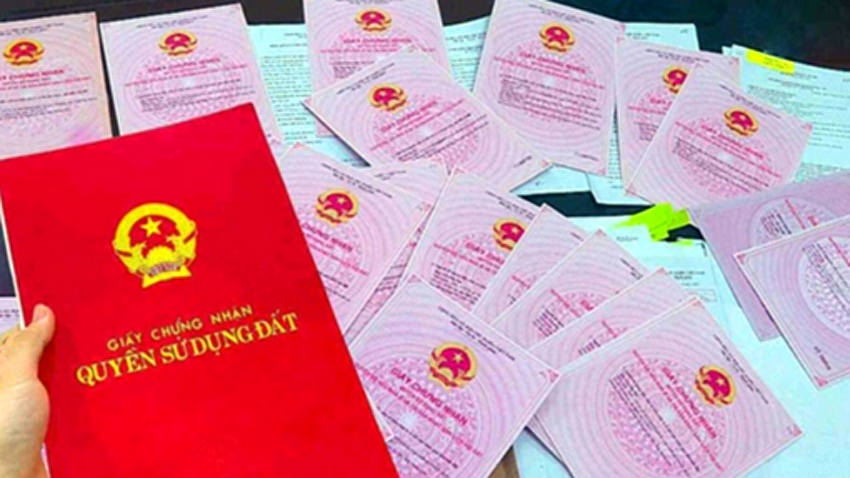
Effective from August 1, 2024, Vietnam's Ministry of Natural Resources and Environment officially implemented Circular No. 10/2024/TT-BTNMT, which comprehensively adjusts and standardizes the appearance and content of land use right certificates and certificates of ownership of assets attached to land (commonly known as the red book or pink book). This change marks an important step for Vietnam in the field of land management, aiming to improve administrative efficiency and promote transparency and security of land rights.
Design and Content of the New Certificate
According to the new regulations, the certificate size is 210 mm x 297 mm, with a background design featuring Vietnam's traditional bronze drum pattern, and the color chosen is a pink hue to reflect the certificate's official nature and legal authority.
Content of the First Page
The first page of the certificate is quite detailed, containing several important elements:
National Emblem and Country Name: These elements represent the certificate's national legitimacy and government endorsement.
Certificate Name: In the center of the certificate, the words 'Land Use Right Certificate and Certificate of Ownership of Assets Attached to Land' are displayed in large red font, which is the core identifier of the certificate, highlighting the legal nature of the document.
QR Code and Certificate Number: The QR code is placed in the upper right corner of the first page for quick scanning to query detailed certificate information. The certificate number ensures the uniqueness of each certificate.
The first page also includes the following three main sections:
Information of the Land User and Owner of Assets Attached to Land: This section records the detailed identity information of the certificate holder, ensuring the legality of the rights holder.
Land Plot Information: This section contains specific information related to the land, such as the plot's location, area, and use, which are important for land management and utilization.
Information on Assets Attached to Land: This section describes in detail the condition and legal attributes of buildings or other assets attached to the land.
Additionally, the place, date, and issuing authority of the certificate are clearly displayed on this page to ensure the document's timeliness and legality. The issuance number of the certificate is used to track and record the distribution of each certificate. Notably, at the bottom of the page, a note 'See QR code for details' is added, meaning that more related information can be obtained by scanning the QR code.
Content of the Second Page
The second page of the certificate mainly covers technical information about the land and its attached assets, as well as records of legal changes:
Diagram of the Land Plot and Attached Assets: This section graphically displays the layout and boundaries of the land and its attached assets, which is crucial for determining the land's location and size.
Remarks: This column is typically used to record special legal clauses or additional information related to the land, such as usage restrictions, rights and obligations.
Information on Changes After Certificate Issuance: This section details all legal updates that occur after the certificate is issued, such as ownership changes and land use changes, to ensure the land information is up-to-date and accurate.
The registration number of the certificate and related reminders are also displayed on this page for the holder's easy reference and verification at any time.
Using Modern Technology to Improve Land Management
Circular No. 10 also stipulates that the printing of land use right certificates and certificates of ownership of assets attached to land must be implemented through modern land database management software. For areas where a complete database has not yet been established, land registration information still needs to be entered into the management system to ensure that all certificates can be generated and managed through a unified technology platform.
In addition, the text format on the certificate is also clearly specified. The title and project name will be printed in "Times New Roman, Bold" font, with a font size of 13, while the specific content will be printed in "Times New Roman, Regular" font, with a font size not less than 12. The names of land users and property owners will be displayed in bold font, with a font size not less than 13, and the color of all letters and numbers is black.
Original image: media.vov.vn
Application and Technical Standards of QR Codes
Notably, the new version of the certificate introduces QR code technology, which is an innovative change. The QR code will store and display detailed information about the certificate, including the legal attributes of the land plot, owner information, and any change records. The information in the QR code is consistent with the data in the land database and has the same legal validity as traditional paper certificates.
The printing of the QR code will be generated through the local government's land database management software and must comply with Vietnam's QR code technical standard (TCVN 7322:2009). On the first printed certificate, the QR code will be located in the upper right corner of the first page of the certificate. If information changes after the certificate is issued, the QR code will be displayed in the upper right corner of the "Change Information and Legal Basis" section, item 6, on the second page.
These changes and new regulations mark an important step forward for Vietnam in land management, helping to enhance the transparency of land rights, protect the legitimate rights and interests of land owners, and promote the stable development of the land market.