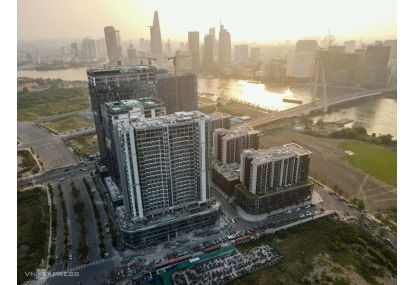
Remove the roundabout on Pham Van Dong Avenue – a strategic solution to reduce traffic congestion in Ho Chi Minh City's inner city
The removal of the roundabout at the intersection of Vo Van Kiet Avenue and 20th Street in Thu Duc City, along with the plan to replace it with a median adjustment combined with traffic signals, has been approved by the Ho Chi Minh City Department of Transport, based on the recommendation of the Road Infrastructure Management Center. This solution aims to improve traffic flow efficiency and reduce the increasingly severe congestion in the area. Removing the roundabout and improving traffic infrastructure not only provides a convenient passage environment for vehicles but also makes an important contribution to Ho Chi Minh City's strategy for modern and sustainable urban infrastructure development.
The strategy of removing the roundabout and enhancing traffic flow capacity
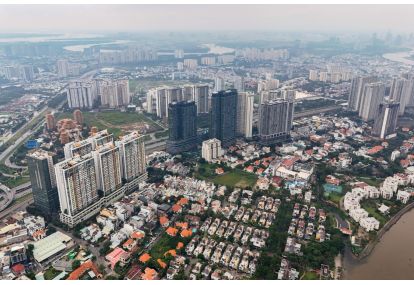
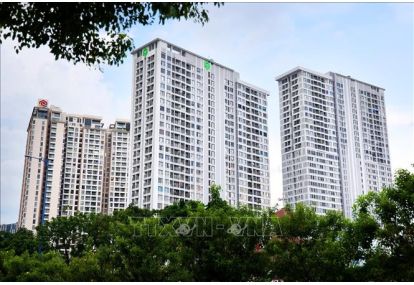
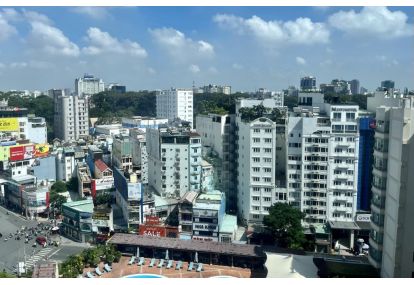
The area around this intersection is surrounded by numerous high-rise apartment buildings and commercial centers, leading to high traffic density and frequent conflicts when vehicles turn in various directions at the roundabout. Removing the roundabout and reorganizing the lane system is expected to improve traffic flow capacity and reduce bottlenecks during peak hours. Additionally, optimizing vehicle movement also helps reduce pollutant emissions caused by long waiting times, thereby lessening negative environmental impacts.
According to the plan, after the roundabout is removed, the median on Vo Van Kiet Avenue from Binh Loi Bridge to the intersection will be redesigned. Specifically, the car-only lanes will have four lanes: one left-turn lane and three through lanes; while the mixed lanes will have four: one left-turn lane, two through lanes, and one flexible lane that can be used for either through or right turns depending on conditions. This lane reorganization aims to ensure smooth traffic flow through the intersection, especially during morning and evening peak hours, thereby eliminating the frequent congestion.
This change not only improves traffic efficiency but is also part of Ho Chi Minh City's overall strategy for developing modern transportation infrastructure. The city faces increasing pressure from rapid urbanization and population growth, so improving key traffic hubs is crucial for maintaining the smooth operation of the transportation network and enhancing the quality of life for citizens.
Traffic reorganization in the intersection area
Before reaching the interchange, the median between the car lanes and mixed-traffic lanes on Pham Van Dong Avenue will be widened to create space for cars to change lanes and turn right onto Street 20. However, at the interchange itself, the right-turn movement from Pham Van Dong Avenue will be restricted to avoid traffic conflicts. This restriction is proposed after a thorough analysis of traffic flow and potential conflict factors, aiming to create a safer and more efficient traffic environment for all types of vehicles.
Gia Van Can Street (from the direction of Cao Coconut to the interchange), located opposite Street 20, will also be widened to optimize traffic flow. The widening plan includes adding one left-turn lane, two through lanes, and one right-turn lane. The traffic signal system at the interchange will also be adjusted according to the new traffic pattern to meet real-time traffic demand and reduce congestion. Additionally, the new traffic signal system will be connected to a central control network, allowing flexible adjustments based on actual flow to ensure efficient and intelligent traffic management.
Furthermore, to ensure the safety of pedestrians and non-motorized vehicles, the crosswalks and sidewalk markings across the road will also be upgraded so that pedestrians can cross the interchange area safely and conveniently. These measures will play an important role in reducing the risk of traffic accidents and enhancing the safety of all road users.
Pham Van Dong Avenue – A Symbol of Modern Urban Infrastructure
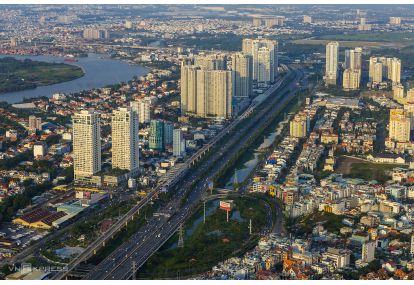
Pham Van Dong Avenue, with a total length of over 12 kilometers, starting from Linh Xuan Interchange (National Highway 1) in Thu Duc City and ending at Nguyen Thai Son Roundabout in Go Vap District, is one of the most important and beautiful traffic arteries in Ho Chi Minh City. The avenue's width varies from 30 to 65 meters, with 6 to 12 lanes, serving not only as a traffic artery between the eastern region and the city center but also as a symbol of the city's modern infrastructure development. In addition, the avenue plays an important role as an economic development corridor, connecting industrial parks and new urban areas, promoting the economic and social development of Ho Chi Minh City.
The area intersecting with Street 20, due to the presence of large commercial centers such as Gigamall and numerous high-rise apartments nearby, has an increasing density of vehicles, making this location a frequent hotspot for traffic congestion. Removing the roundabout not only improves congestion in this area but also enhances the traffic flow capacity of the entire road, increasing the efficiency of urban traffic infrastructure. This is an important step that helps Ho Chi Minh City move towards becoming a smart city with a flexible, efficient, and environmentally friendly transportation system.
Previously, the Ho Chi Minh City Department of Transport also removed the roundabout at the Pham Van Dong – Le Quang Dinh interchange. The results of this renovation showed that the traditional roundabout traffic model no longer meets the actual traffic needs of a rapidly developing city, further emphasizing the necessity of adopting modern and more practical traffic reorganization solutions. The success of these projects has paved a new path for urban traffic planning and management, moving towards a Ho Chi Minh City that is sustainable and meets the needs of millions of residents, while promoting comprehensive development in the region.
Furthermore, the changes in the interchange infrastructure also serve as a pilot, providing a testing platform for advanced traffic management models, from which the city can draw important lessons and then adjust, improve, and replicate them in other areas. This is particularly important because Ho Chi Minh City is in a phase of rapid development, requiring sustainable and flexible traffic solutions that can respond to urbanization and population growth.
#FTT Real Estate Co., Ltd.
(#Real Estate Consulting / #Leasing and Property Management and Sales / #Furniture and Decoration)
LINE official account @ymq0321f|Zalo +886 956 918 888|WeChat
┃Youtube: FTT REAL ESTATE
┃Website : www.fttland.com