The free trade zone will become a new driving force for Ho Chi Minh City
Ho Chi Minh City Free Trade Zone (FTZ): Diversified Development and New Real Estate Momentum
FTZ — A Strategic Step After Merger
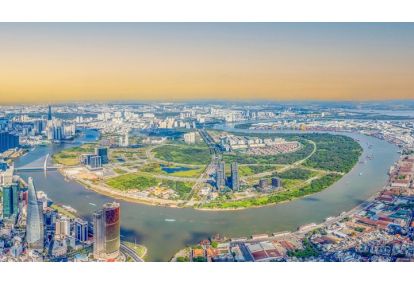
According to the research plan of the Ho Chi Minh City Department of Industry and Trade, the newly merged Ho Chi Minh City has planned four Free Trade Zones (FTZs), located in Can Gio, Cai Mep Ha, An Binh Ward, and Bau Bang (formerly in Binh Duong Province). This is an important strategic initiative of the city, aimed at fully leveraging the existing infrastructure of logistics, industry, ports, and international border gates to build Ho Chi Minh City into a core hub of the regional production value chain—an integrated base from design and manufacturing to export.
Experts emphasize that FTZs are not just 'duty-free zones.' Against the backdrop of global tax rates gradually approaching 0%, the key to the new generation of FTZs lies in infrastructure priority, fee incentives, and an efficient institutional framework, allowing multinational corporations to operate as if they were in their 'home country.' If Ho Chi Minh City does not act quickly, the opportunity will once again be taken by Singapore, which is currently becoming increasingly saturated.
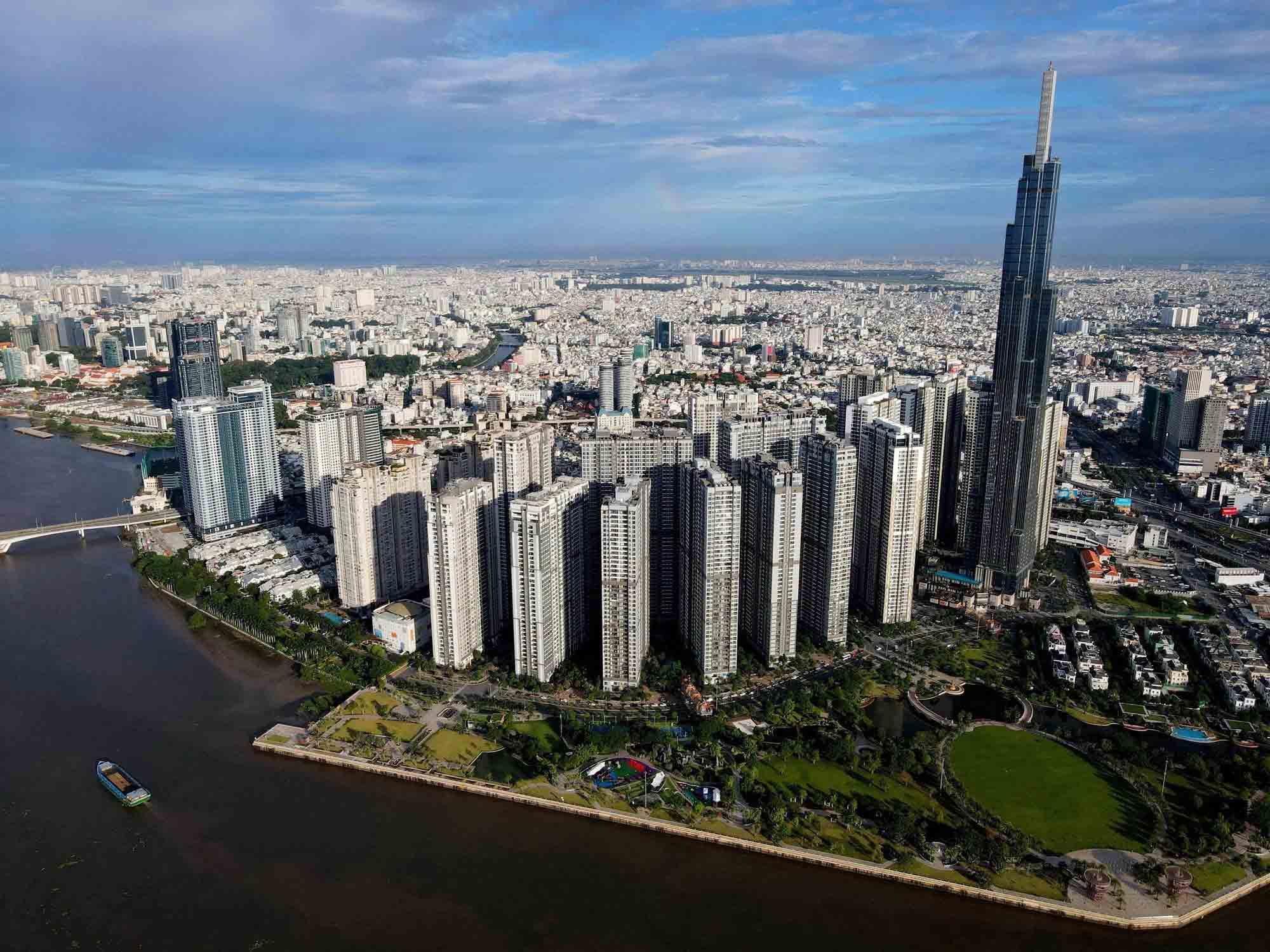
Original image: images2.thanhnien.vn
Direct impact on economic growth
National Assembly Deputy and Associate Professor Tran Hoang Ngan points out that Ho Chi Minh City needs to achieve double-digit growth in the future, with 8% relying on attracting private and foreign investment, and another 2% coming from the operations of the international financial center, FTZs, and the Can Gio international transshipment port. FTZs can not only directly contribute to this 2% growth but also serve as a 'magnet' to attract social capital, providing a guarantee for achieving the 8% growth.
The success of the Shanghai Pilot Free Trade Zone is a vivid example. Since its establishment in 2013, it has attracted 84,000 new enterprises over a decade, with cumulative foreign investment registered at $217.2 billion, and the scale of goods trade jumping from $207.6 billion to $340.5 billion. Ho Chi Minh City has the dual advantages of location and urban scale, and is fully capable of replicating or even surpassing this achievement.
Impact on the real estate market
The establishment of FTZs will directly push up land and real estate values in surrounding areas:
-
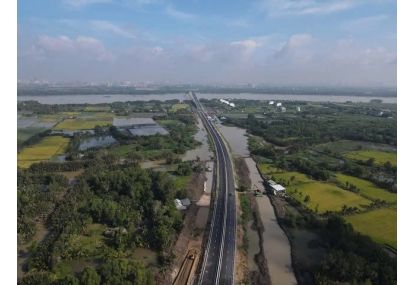
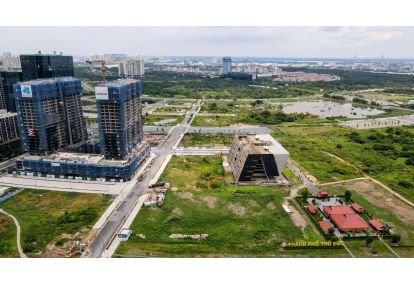
Can Gio: An FTZ of 1,000–2,000 hectares has been planned, paired with the Can Gio international transshipment port and a reclaimed new city. With the development of the Can Gio Bridge and eco-tourism city, real estate prices are bound to surge further.
-
Cai Mep Ha: Covering more than 3,700 hectares, it directly connects to the Cai Mep–Thi Vai deep-water port and Long Thanh International Airport, and is expected to become a top-tier logistics and industrial hub. Land values along the port–airport economic corridor will rise rapidly, especially in Ba Ria–Vung Tau and Dong Nai.
-
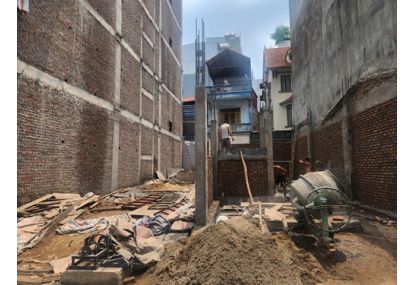
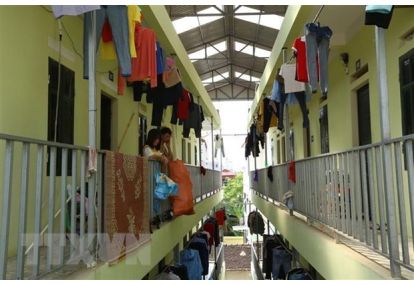
Bau Bang (formerly in Binh Duong Province): Located on the Moc Bai–Cai Mep economic corridor, with a dense concentration of large industrial parks nearby, the demand for industrial land and worker housing will increase significantly, showing clear real estate potential.
-
An Binh Ward (formerly in Binh Duong Province): Adjacent to the Song Than inland port and connected to the international railway, the 100-hectare FTZ will drive rapid appreciation of logistics warehousing, factories, and commercial real estate.
In other words, FTZs are not only catalysts for economic growth but will also ignite the value of industrial real estate, logistics facilities, and surrounding urban real estate, forming investment hotspots.
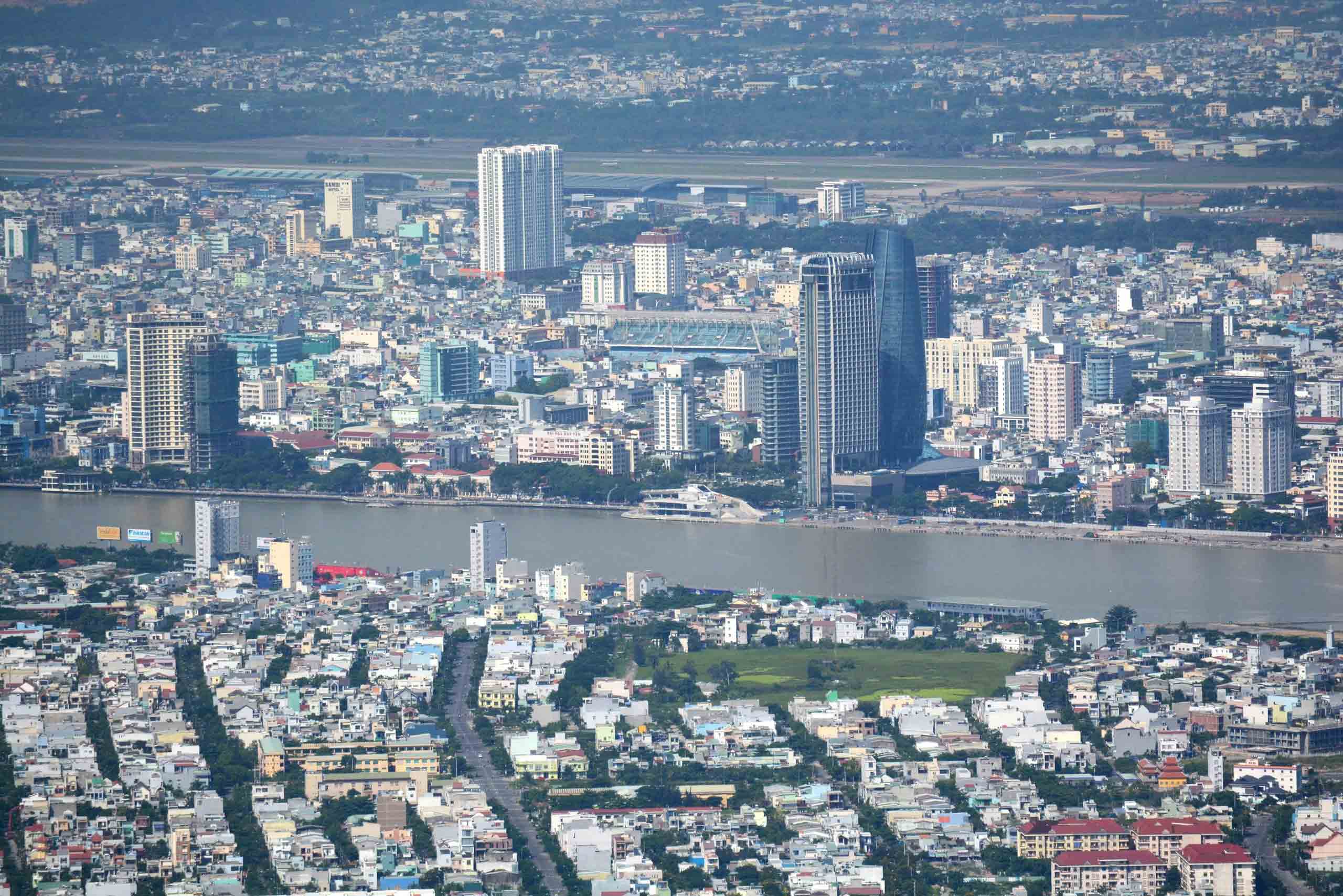
Original image: images2.thanhnien.vn
Avoid dispersion, focus on strategy
Experts suggest that in the new phase, Ho Chi Minh City should focus on building only 1–2 core FTZs rather than advancing four simultaneously. Among them, 'Cai Mep–Long Thanh' is considered a prime location with the greatest potential to develop into an international port–airport integrated economic hub, attracting investment from multinational corporations.
More critically, a dedicated legal framework must be established: including foreign exchange mechanisms, fintech sandboxes, and special visa regimes to facilitate global talent and enterprises. If the FTZ can be developed into an 'institutional laboratory,' Ho Chi Minh City can not only catch up but even surpass other international metropolises.
FTZs are a key engine for Ho Chi Minh City's journey toward becoming a 'super city.' They can attract capital, drive industrial upgrading, and boost real estate appreciation. From Can Gio to Cai Mep–Long Thanh, the establishment of these FTZs will reshape the regional investment landscape, becoming new economic growth poles between 2026 and 2030, with housing prices and industrial real estate values expected to rise significantly.