Ho Chi Minh City is transforming into a multi-centric city under a new wave of infrastructure development
Ho Chi Minh City is entering a brand-new development phase, driven by a wave of large-scale infrastructure investment from 2026 to 2030, as the city ushers in a strong cycle of urban restructuring and upgrading.
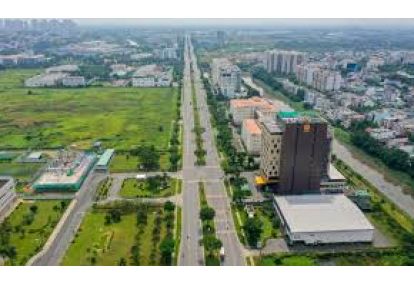
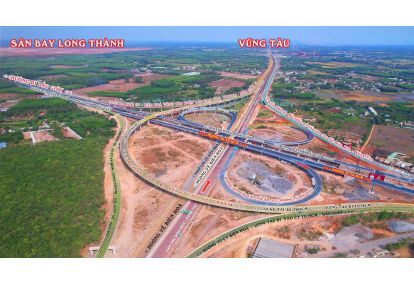
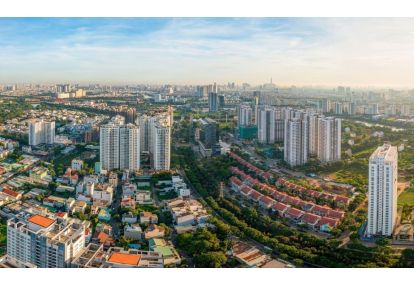
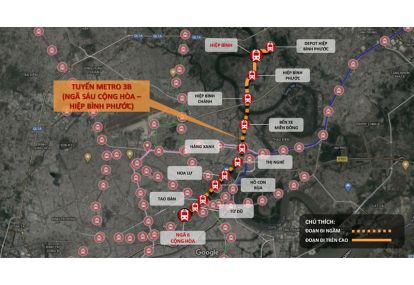
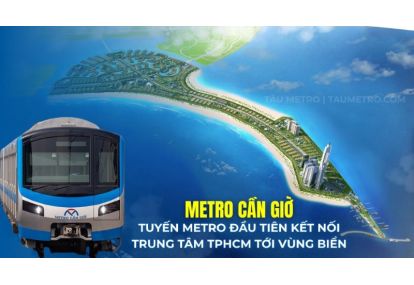
With the simultaneous advancement of major projects such as the Metro, ring roads, expressways, and airports, the city's development model is gradually shifting from traditional horizontal expansion to a multi-centric urban layout that integrates public transportation, logistics, and industrial development.
At the 2026 Real Estate Forum, experts pointed out that transportation infrastructure is just the starting point of development. The key to the success of emerging growth cores lies in creating job opportunities and providing comprehensive social service facilities such as healthcare and education to attract residents for long-term settlement. The Metro system is expected to fundamentally change the urban spatial structure, making areas farther from the city center more accessible and creating new development opportunities for the formation of sustainable satellite cities.
Original image: premedia.vneconomy.vn
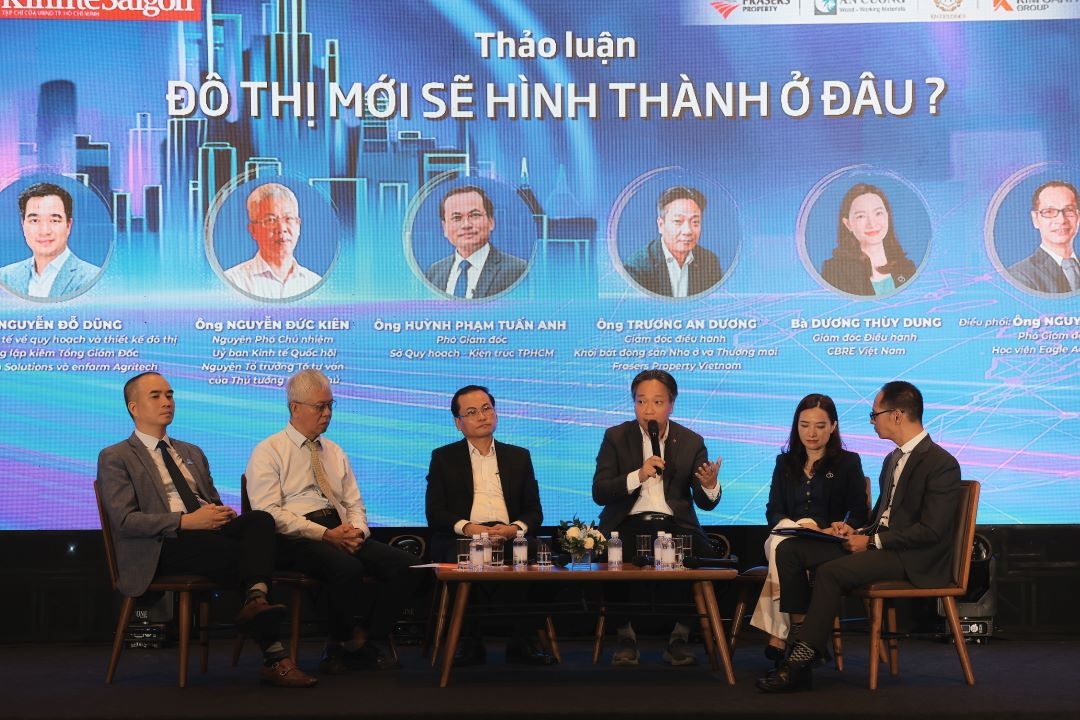
Panel discussion at the Real Estate Forum: "Where will the new cities of the future be formed?" was held on the morning of May 21.
Furthermore, by leveraging special policy mechanisms such as Resolution No. 98, Ho Chi Minh City has greater autonomy in infrastructure investment and urban development space expansion. Increasingly close regional cooperation with Binh Duong Province and Ba Ria - Vung Tau Province is also gradually building a complete ecosystem covering industry and services, creating a more sustainable and attractive living environment for future residents.