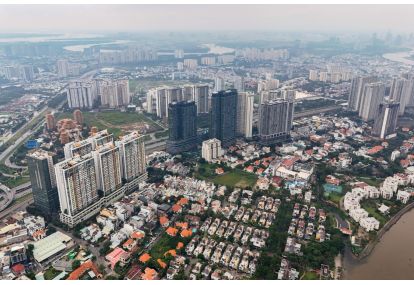
Proposal to Relocate Over 46,000 Households Near Waterways in Ho Chi Minh City: Challenges, Solutions, and Impacts
Ho Chi Minh City's proposal to relocate over 46,000 households living along rivers and canals is an ambitious and complex task that involves not only infrastructure renovation but also social solidarity, fairness, and close cooperation between citizens and the government. In the context of rapid urbanization, housing issues along waterways severely affect quality of life, the environment, and urban aesthetics. Below are the key aspects of this proposal, including challenges, implementation methods, and expected impacts.
1. Background and Current Status of Waterway Housing
According to statistics from the Ho Chi Minh City Department of Construction, there are currently 48,143 households living along rivers, canals, or waterways across the city. This figure clearly indicates the scale and complexity of the issue. These houses are typically residences for low-income families, concentrated in areas with poor living conditions and inadequate sanitation, negatively impacting the city's overall landscape.
Although 1,149 households have received compensation and completed relocation, the remaining number is still a significant challenge. Currently, only 243 households are in progress, meaning that over 46,000 households still lack a clear solution, requiring detailed, unified, and robust plans from relevant authorities at all levels.
2. Challenges in the Relocation and Resettlement Process
Legal Difficulties
Most households along waterways lack legal documentation, being in a state of occupation or informal construction. Therefore, the compensation process becomes complex due to the absence of clear land ownership. This makes it difficult for families to receive land compensation and forces them to rely on government housing support. However, not all cases qualify for assistance, so the verification and review process will consume considerable time and effort.
Huge Resettlement Demand
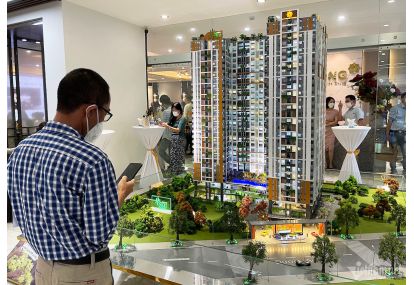
To relocate 46,000 households, the city expects to prepare about 8,157 social housing units to serve resettlement needs. In some major improvement projects, such as the Xuyen Tam canal renovation in Binh Thanh District and the northern Kenh Doi riverbank improvement project in District 8, the resettlement needs are 864 and 680 households, respectively. As sociological surveys are completed in other areas, this number may further increase, placing great pressure on preparing resettlement housing in the short term.
3. Implementation Plan of the Ho Chi Minh City Construction Department
To meet the urgent need for relocating houses along the waterways, the Ho Chi Minh City Construction Department proposed a comprehensive plan to implement a complete relocation program. The plan includes the following steps:
-
Sociological surveys in various regions: Each district and county needs to conduct sociological surveys to determine the actual resettlement needs of citizens, thereby recommending the required number of resettlement housing units. This will help the government conduct a comprehensive assessment and formulate a specific resettlement plan, avoiding situations of insufficient or surplus resettlement housing.
-
Detailed data statistics: Accurately collecting and compiling data is a fundamental step for the effective implementation of the proposal. The data includes the number of existing houses, the legal status of the houses, the size of the resident population, and the degree of impact on each household.
-
Organizing citizen support and consultation: Relocation may bring many changes and difficulties to citizens, especially for families who have lived in these areas for a long time. Therefore, legal and psychological support programs are needed to ensure that citizens clearly understand their rights, obligations, and benefits regarding relocation.
4. Benefits and Impacts of the Relocation Proposal
This relocation proposal not only improves the living conditions of thousands of residents but also brings many long-term benefits to the city.
-
Improving the quality of the living environment: Areas along waterways are often pollution hotspots, affected by encroachment, indiscriminate dumping of household waste, and untreated wastewater. Relocation will help free up space and create conditions for cleaning and greening the waterway environment.
-
Enhancing urban aesthetics: Ho Chi Minh City is striving to become a modern, civilized city. The demolition of houses along the waterways is an important part of this effort, helping to clean and beautify the area, create green public spaces and riverside walkways, enhance urban aesthetics, and attract tourists.
-
Enhanced safety and disaster resilience: Houses along waterways often face safety risks during the rainy season, as rising water levels can easily cause landslides and flooding. Relocating these homes helps reduce the risk of natural disasters, protecting the lives and property of citizens.
5. The Importance of Consensus and Cooperation
To ensure the success of the proposal, consensus and cooperation from citizens are crucial. The government needs to formulate transparent and fair policies, and strengthen communication so that citizens understand the benefits of relocation. Resettlement support and legal guidance programs will help citizens feel at ease and actively participate in the plan.
In addition, close cooperation with social organizations, enterprises, and investors is also essential to ensure the effective implementation of projects and alleviate the financial pressure on the city. Investors can participate in the construction of resettlement housing and the development of infrastructure in the areas that have been cleared.
Conclusion
The proposal to relocate houses along the waterways of Ho Chi Minh City is an important step in restructuring the urban fabric, improving the living environment, and building a green, clean, and beautiful city. However, to achieve this goal, the city needs to formulate a unified and flexible strategy while safeguarding the legitimate rights and interests of affected citizens. This is a complex task that requires the government's determination and the active cooperation of the citizen community. The success of the proposal will not only improve the quality of life for tens of thousands of families but also contribute to the sustainable development of Ho Chi Minh City.
#FTT Real Estate Co., Ltd.
(#Real Estate Consulting / #Leasing and Property Management and Sales / #Furniture and Decoration)
LINE official account @ymq0321f|Zalo +886 956 918 888|WeChat
┃Youtube: FTT REAL ESTATE
┃Website : www.fttland.com